Stock Pot vs Sauce Pot vs Saucepan: What Should a Commercial Kitchen Use?
Stock pots, sauce pots and saucepans can appear together on a commercial kitchen procurement list, but they describe different vessel formats. Their proportions, handles and intended batch requirements help distinguish one from another when a purchasing team reviews a cookware specification.
For restaurants, hotels, caterers and commissaries in the Philippines, the appropriate format depends on the operation’s existing requirements. COMCOM’s Cookware range includes stainless stock pots, sauce pots and saucepans that buyers can review as part of a product sourcing inquiry.
Stock Pot, Sauce Pot and Saucepan at a Glance
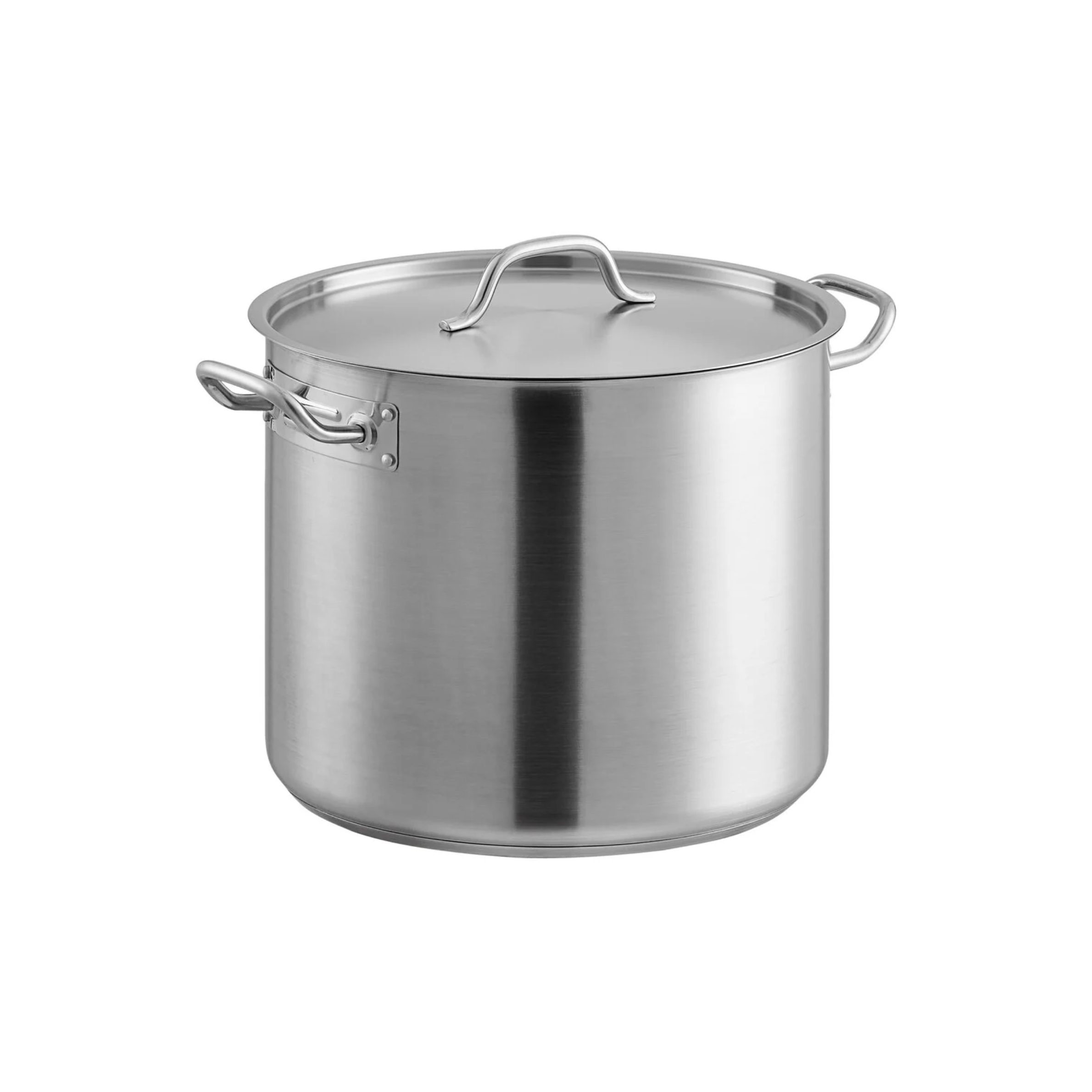
A stock pot is generally taller in proportion to its width and has two side handles. A sauce pot is generally wider and shorter than a stock pot, also with two side handles. A saucepan is generally a smaller vessel with a long handle. These are broad product distinctions; the exact dimensions and configuration should be checked against the item being quoted.
Commercial Stock Pots
Stock pots are commonly associated with larger-volume, liquid-based preparation, including stocks, soups, pasta and bulk boiling. Their taller format provides a different vessel profile from a wider sauce pot.
For specifications involving a commercial stock pot, buyers can review COMCOM’s Stainless Cookware Stock Pot and submit the required quantities and preferred specifications for quotation. An existing product reference or approved equipment schedule can help clarify the requirement.
COMCOM Stainless Cookware Stock Pot
Commercial Sauce Pots
A sauce pot generally has a wider, shorter profile than a stock pot. Its wider cooking area is commonly associated with sauces, stews, soups and preparations where reduction forms part of the process.
For a sourcing request, the product name alone may not capture the full requirement. The buyer’s requested capacity, vessel dimensions and existing reference information help identify the intended format. COMCOM’s range includes the Stainless Cookware Sauce Pot for buyers reviewing this cookware type.
Commercial Saucepans
A saucepan is generally a smaller vessel with a long handle. It is commonly used for sauces, reductions, reheating, simmering and smaller-quantity liquid preparation.
In commercial purchasing, the distinction between a saucepan and a two-handled sauce pot matters when matching an approved item description. Buyers can review COMCOM’s Stainless Cookware Saucepan and include the relevant product references in their inquiry.
Quick Comparison Table
Cookware type
General format
Common preparation context
Stock pot
Taller profile; two side handles
Stocks, soups, pasta and bulk boiling
Sauce pot
Wider, shorter profile; two side handles
Sauces, stews, soups and reduction
Saucepan
Generally smaller; long handle
Smaller batches, sauces, reheating and simmering
These comparisons describe general cookware formats. They do not establish the capacity, material grade, lid inclusion or heat-source compatibility of a particular COMCOM item.
Restaurant Requirements
A restaurant’s cookware list may cover several preparation stations, replacement items or multiple branches. A stock pot, sauce pot and saucepan can each appear on that list for different batch and handling requirements.
Buyers can submit their existing item descriptions, quantities and reference photos to COMCOM. This gives the sourcing team a clearer basis for reviewing products than a general request for “pots and pans.” For broader context on vessel types and cookware materials, see COMCOM’s Cookware 101 guide.
Hotel, Catering and Commissary Requirements
Hotel purchasing teams, catering companies and commissaries may source cookware against an approved kitchen specification or a central procurement schedule. The required format may vary by preparation area, service volume and existing equipment.
A complete list can identify which items are stock pots, sauce pots or saucepans and show the quantities required for each location or project. Where there is an approved model or reference item, that information can accompany the inquiry.
Capacity and Batch Requirements
Capacity is a separate specification from the cookware type. A product family name does not confirm the exact volume or dimensions of the item being sourced.
Buyers can include their preferred capacity, dimensions and batch requirements when requesting a quotation. Material grade, thickness, heat-source compatibility, included accessories and current availability should be confirmed for the exact product offered.
When a Requirement Includes More Than One Cookware Type
A commercial kitchen requirement may include all three formats. Purchasing teams can submit them together while keeping each item description and quantity distinct. This helps COMCOM review the complete requirement and identify relevant products from its Stainless Cookware range.
Source Stainless Cookware Through COMCOM
COMCOM supplies cookware for professional foodservice sourcing requirements in the Philippines. Buyers can review the stock pot, sauce pot and saucepan product families alongside the wider cookware category, then send their item list for quotation.
Request a Cookware Quotation
Send COMCOM your cookware requirements, quantities and preferred specifications for product sourcing and quotation.
We use cookies on our website to give you the most relevant experience by remembering your preferences and repeat visits. By clicking “Accept All”, you consent to the use of ALL the cookies.
This website uses cookies to improve your experience while you navigate through the website. Out of these, the cookies that are categorized as necessary are stored on your browser as they are essential for the working of basic functionalities of the website. We also use third-party cookies that help us analyze and understand how you use this website. These cookies will be stored in your browser only with your consent. You also have the option to opt-out of these cookies. But opting out of some of these cookies may affect your browsing experience.
Necessary cookies are absolutely essential for the website to function properly. This category only includes cookies that ensures basic functionalities and security features of the website. These cookies do not store any personal information.
Any cookies that may not be particularly necessary for the website to function and is used specifically to collect user personal data via analytics, ads, other embedded contents are termed as non-necessary cookies. It is mandatory to procure user consent prior to running these cookies on your website.