Food Service Guide: Stainless vs. Polycarbonate Pans

Let’s talk about pans. Stainless steel and polycarbonate are two of the most common materials used to make food pans. Both have their advantages, but which one is right for you? The world of food service can be a confusing one, and there are countless choices to make. This guide will help you decide which material best suits your needs.

These two materials function differently, so choosing between them depends on what you want to achieve in your kitchen. Understanding their strengths will help you make a better decision.

Stainless Steel

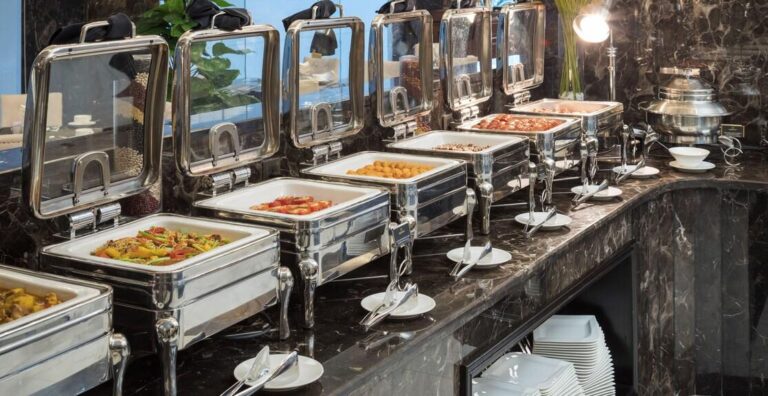
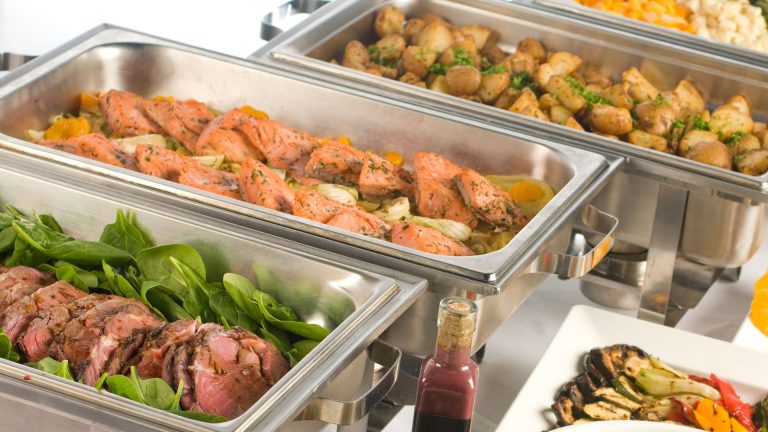
Stainless steel hotel pans are a classic choice for restaurants and food service establishments. They are durable, easy to clean, and highly resistant to rust and corrosion. They do not warp easily, and minor scratches can be buffed out. They are also relatively lightweight and perform well in keeping food warm. Stainless steel pans can tolerate very high temperatures, making them ideal for hot food service.

Polycarbonate

Polycarbonate hotel pans are more commonly used for food storage. Their transparent design allows you to easily see the contents inside, making them ideal for organizing ingredients. They can handle both cold and moderate heat conditions and are lightweight and resistant to dents. However, they are more prone to cracking if dropped and generally do not last as long as stainless steel.

Hotel Pan Sizes

Hotel pans come in standardized sizes to fit different food service needs. This makes it easier to use them across various equipment like steam tables and storage systems without compatibility issues.

Fraction SizeMeasurementUse
Full Size12” x 20”For main courses and large servings
2/3 Size12” x 13-1/3”Great for pasta and medium servings
Half Size12” x 10”Ideal for salads and sides
Half Long6” x 20”Used for long food portions
Third Size12” x 6-2/3”Often used for side dishes
Quarter Size6” x 10”Good for smaller portions
Sixth Size6” x 6-2/3”For sauces, toppings, dressings
Ninth Size4” x 6-2/3”For very small portions

We hope this guide helps you decide on your next purchase. If you need assistance in choosing the right kitchen equipment, feel free to reach out. We are here to help make your buying process easier.

Best Tips on How to Organize and Tidy up Your Commercial Kitchen

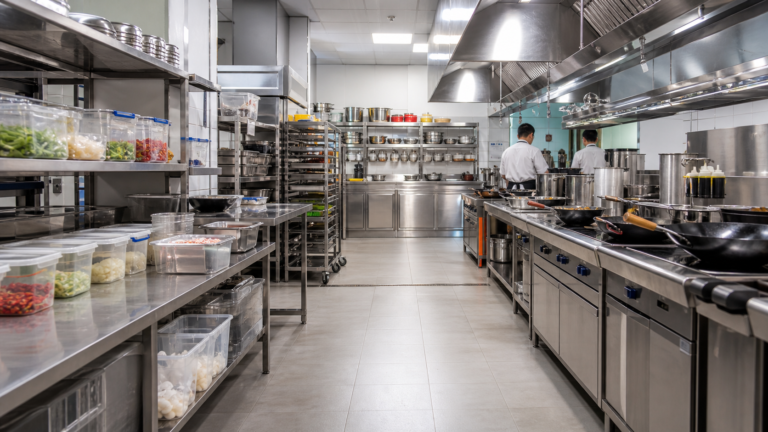
In a restaurant, café, bakery, or any food-related business, the kitchen is the most important and busiest area. Efficiency matters when running a commercial kitchen, whether big or small. You need to keep a fast pace while maintaining food quality and sanitation. That’s why keeping everything organized is essential. Here are some tips on how to organize and tidy up your commercial kitchen.

Lay it out

Our imagination can sometimes take us too far, leading us to buy more things than we actually need. To get a better picture of how you want to organize your kitchen, it is always helpful to plan it on paper first. This can also help make sure that everything has a proper place.

Keep within your reach

Have you ever heard of a pan or spatula falling on someone’s head in the kitchen? If yes, then your tools may not be stored in the right places. Height, distance, and accessibility are important when organizing a kitchen. To avoid accidents, keep tools at a height and location that your staff can easily reach.

You need space

A dedicated workspace helps improve the flow of kitchen operations. Set up separate workstations for each task such as prepping, baking, hot station, cold station, finishing or plating, and cleaning. These areas should be properly separated to avoid contamination.

It’s time to hang up

Drawers can keep things looking neat, but they may slow down movement in a busy kitchen. Hanging small tools such as saucepans, tongs, and whisks helps improve workflow. Keep them near your prep area for quick access.

Open up your shelves

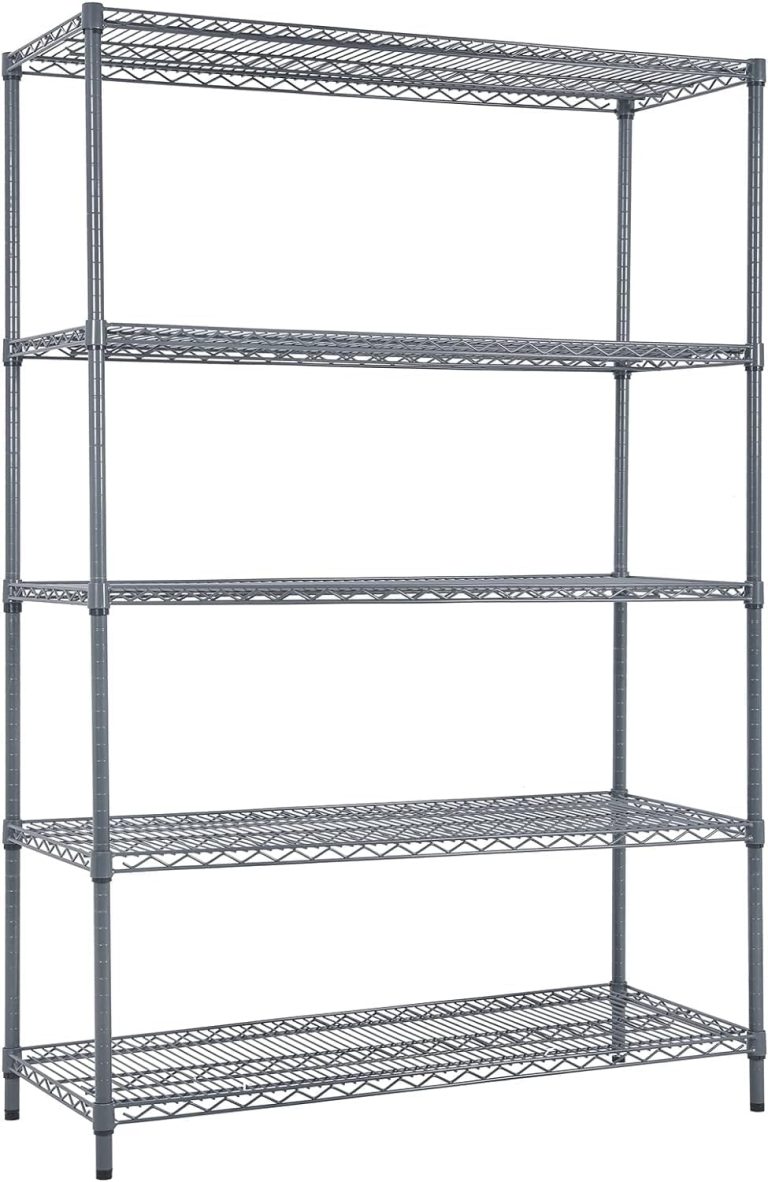
Closed cabinets may look clean but can slow down operations. Open shelves and stainless racks make it easier to see and access items quickly.

First in, first out

Follow the first in, first out method when storing items. This helps reduce spoilage and keeps inventory fresh.

Put a label on it

Labeling avoids confusion and saves time. Use waterproof labels and include dates for better tracking.

Caution! Caution! Caution!

Safety should always be a priority. Use warning signs and labels for special requests like allergies to avoid issues.

Start organizing your kitchen with these simple steps and improve your workflow over time.

It is always best to consider your natural workflow when arranging your kitchen. Visit Comcom for more kitchen supply needs.

Cookware 101: A Quick Guide in Choosing the Right Cookware and How to Use them

Cookware pots

In a commercial kitchen, one of the most important goals is producing great-tasting dishes. To make that happen, it takes more than a complete set of ingredients. Having the right tools also makes a big difference. Certain cookware materials work better for specific cooking methods, which means one size does not fit all.

Knowing the right cookware can help bring out the best in your dishes and reduce cooking-related issues such as burning, overcooking, undercooking, and more. The options can be overwhelming, so here is a quick guide to help you understand the different types of cookware and how to use them.

First, let us discuss the various cookware materials. The type of material used in a pan or pot can either help improve your cooking process or create problems in the kitchen.

Cast Iron Cookware

Cast iron cookware is heavy, long-lasting, and versatile. It heats up slowly but holds heat well once hot. It can be used on the stovetop or inside the oven, making it an excellent material for griddles, fry pans, and grill pans.

Stainless Steel Cookware

Stainless steel is a common and excellent choice for cookware. It has high resistance to stains and rust, making it easier to clean and maintain. When choosing stainless steel cookware, it is best to select high-quality pieces with an aluminum or copper core for better heat distribution.

Aluminum Cookware

Aluminum cookware is another popular choice because it is reasonably affordable and conducts heat well. It is lightweight, resistant to corrosion and rust, and can last a long time with proper care. Many aluminum pans also come with a non-stick coating, making cooking and cleaning easier.

Non-stick Cookware

Non-stick cookware helps prevent food from sticking to the pan without needing too much oil or grease. This makes it a good choice for lighter and healthier cooking. It is also easy to clean, making it a practical and efficient tool in the kitchen.

Now that you know the different cookware materials, it is time to look at the different types of cookware and how to use them.

Frying Pan / Skillet

Aluminum fry pan with non-stick coating

A frying pan or skillet is one of the most common tools in any kitchen. Its flat bottom, rounded sides, and curved edges make it ideal for fast frying, searing, and cooking breakfast dishes.

Wok

Aluminum wok with loop handles

A wok is ideal for frying, searing, and stir-frying. Its deeper curves and high edges make it easier to toss and mix ingredients while cooking over high heat.

Griddle

Griddle pan

A griddle usually comes in a low rectangular form. It is excellent for cooking pancakes, breakfast items, sandwiches, and other flat-surface cooking needs.

Sauté Pan

A sauté pan is used for slow frying, sautéing, stirring, and tossing. It may resemble a frying pan, but it is usually deeper and has straighter sides instead of rounded edges.

Saucepan

Aluminum sauce pan

A saucepan is designed for boiling and simmering. It is commonly used for soups, sauces, and other liquid-based cooking.

Stock Pots / Multi Pots

Stainless stock pot

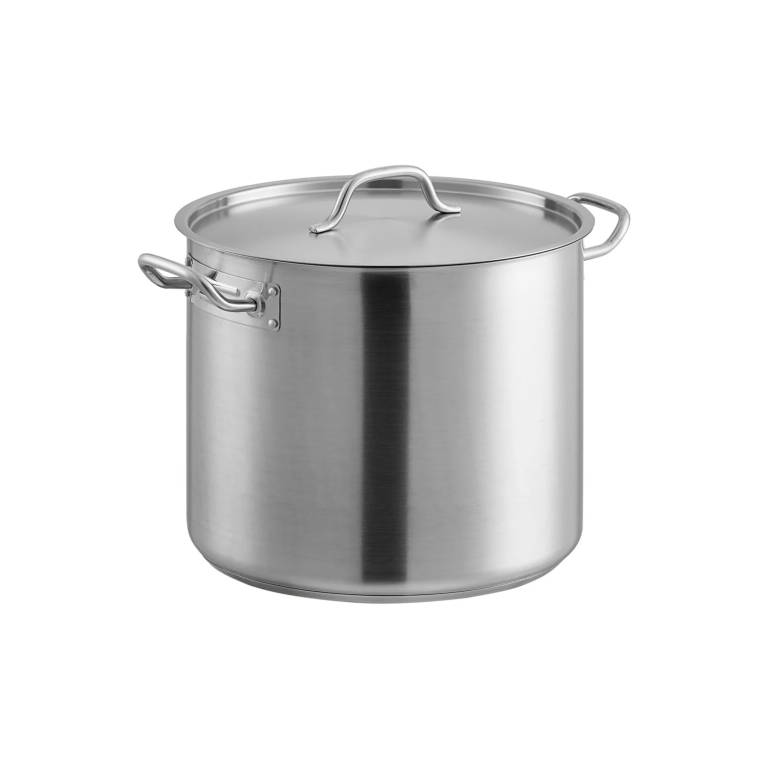
Stock pots and multi pots are deep cookware pieces used for boiling, simmering, and preparing large batches of soup, stock, pasta, and other liquid-based dishes.

Braiser Pan

Braiser pan

A braiser pan is best used for braised dishes, stews, and one-pot meals. It often comes with two side handles, making it easier to transfer and serve.

Roaster Pan

Roaster pan

A roaster pan is a low rectangular pan designed for oven use. It is ideal for roasting chicken, beef, and other dishes prepared for special meals or large servings.

Grill Pan

Grill pan

A grill pan is useful for simple grilling, such as salmon, pork belly, or vegetables. Its ridged surface helps create grill marks while cooking indoors.

Starting a Home-Based Food Business

Starting a home-based food business can be a fun and rewarding experience. It can also be a great way to earn extra income while spending more time with your family. However, it can also feel stressful and overwhelming without proper planning.

The best way to start is to have a clear plan in place before you begin. To help you get started, here are some important things to consider when starting your own home-based food business.

Starting a home-based food business

The food service industry requires proper food handling and food safety. These are important in protecting your customers’ health and building trust in your business.

Make Sure You Have a Plan in Place

A good business plan will help you determine how much money you need to start, what equipment or supplies you need, and what kind of marketing strategy will work best for your situation. Having this information early can help you avoid costly mistakes.

Know and Research Your Market

It is important to understand your audience and know who will buy your product. What do people in your area like to eat? Are there popular food trends you can explore? What kind of meals or products are people already buying from home-based sellers?

Get Organized

Create a plan for how your business will run. List the tasks needed, who will handle them, and the steps required for each process. This can be as simple as using a spreadsheet or as detailed as creating a website with a menu and ordering options.

You Don’t Have to Be an Expert Cook or Chef

One of the best things about a home-based food business is that it allows you to use your creativity and imagination. To get started, you need a kitchen, basic cooking tools, and a product that people will enjoy.

Before using any kitchen utensils, make sure they are properly washed or sanitized. Clean tools and proper food handling are important parts of running a safe and reliable food business.

Safety First

Always prioritize safety when preparing food. Follow recipe instructions carefully, store ingredients properly, and make sure your preparation area is clean. Every food product has its own handling requirements, so it is important to be mindful of each step.

Make Friends With Other Food Entrepreneurs

Connecting with other food entrepreneurs can help you learn, improve, and find support. You can join online communities, local business groups, and social media groups where food business owners share tips and experiences.

Food business tools and supplies

Your Equipment

You will need basic equipment such as refrigerators, ovens, woks, rice cookers, and other kitchen tools. You may also need utensils, plates, cups, knives, cutting boards, bowls, containers, and other supplies depending on the type of food you plan to sell.

That’s it. Good luck with your venture. We hope these tips helped you understand what you need to start your home-based food business.

If you have any questions or need kitchen supplies for your business, feel free to reach out. Don’t forget to check ComCom for your home-based food business needs.

Safety First! 8 Tips for Proper Food Handling and Food Safety

There is no room for error when it comes to food safety. One of the most important things you can do to keep food safe is to handle it properly, especially when running a food business.

So, what should you do to make sure your food is handled properly when many people’s health is at stake? Here are 8 simple tips to help ensure food safety in your kitchen.

Food safety cover

The food service industry requires high standards. Proper food handling and food safety are critical in protecting your customers’ health and maintaining trust in your business.

Know the Proper Way to Store Food

Airtight containers

Food contamination can be avoided by storing food in airtight containers. Glass jars are ideal, but plastic or metal containers can also be used. Make sure the seal is tight and the lid fits properly, especially when storing large quantities of ingredients or food items.

Avoid Cross-Contamination

Color-coded chopping boards

Do not use the same cutting board for raw meat and fruits or vegetables. This can cause cross-contamination and spread harmful bacteria. This protocol should be strictly followed by your kitchen staff.

Wash Your Hands Frequently

Wash your hands frequently

Regularly wash your hands with soap and water to remove dirt and bacteria. Do this before preparing food, after handling raw meat, and whenever switching between kitchen tasks.

Clean Your Cooking Utensils

Cleaning kitchen tools

Before using any kitchen utensils, make sure they are thoroughly washed with hot soapy water. They may also be disinfected according to the manufacturer’s instructions.

Refrigerate Immediately

Refrigerate food immediately

Perishable items should be refrigerated or frozen immediately after cooking because they can spoil quickly at room temperature. If refrigeration is not possible, make sure the food is served and consumed as soon as possible.

Wash Fruits and Vegetables Thoroughly

Wash fruits and vegetables thoroughly

Always wash fruits and vegetables before cooking or serving. This helps prevent bacteria from spreading during preparation and reduces the risk of food contamination.

Separate Raw Meat and Cooked Food in the Fridge

Separate raw meat and cooked food in the fridge

Keep raw meat separate from cooked food in the refrigerator. This helps prevent bacteria from raw items from contaminating ready-to-eat or already cooked food.

Clean and Sanitize Restaurant Surfaces Thoroughly

Spray bottles for cleaning and sanitation

Regularly clean and sanitize surfaces in both the kitchen and dining area. This helps prevent bacteria from spreading to food, tools, and other surfaces.

As someone responsible for food preparation, it is important to keep your kitchen clean, safe, and professional. Following these simple guidelines can help you feel more confident in serving food that is safe for your customers.

Shop for janitorial and cleaning supplies for your restaurant at the Comcom Store. We have a wide selection of equipment available at affordable prices.

All search results