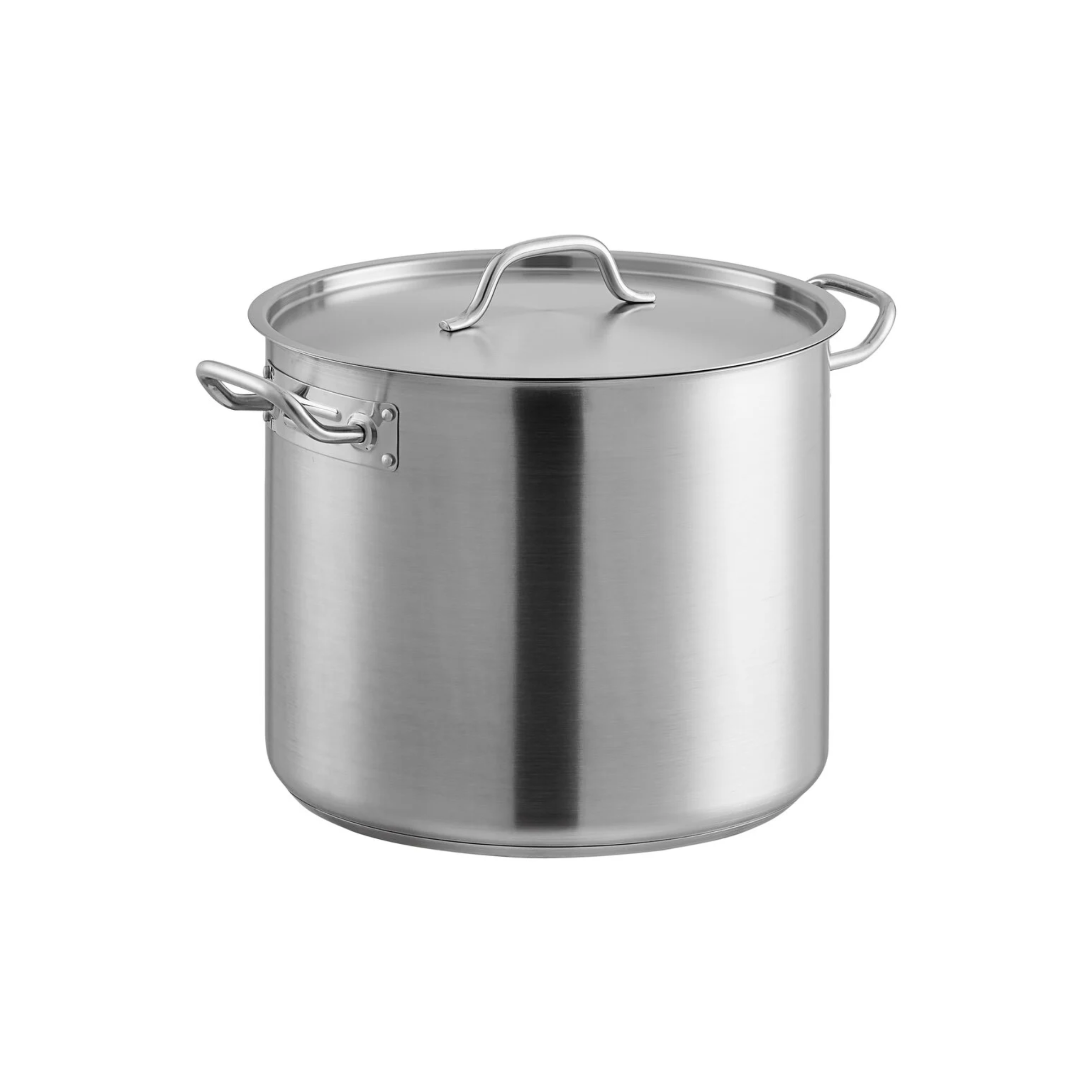
View COMCOM Stainless Cookware Stock Pot
In a commercial kitchen, one of the most important goals is producing great-tasting dishes. To make that happen, it takes more than a complete set of ingredients. Having the right tools also makes a big difference. Certain cookware materials work better for specific cooking methods, which means one size does not fit all.
Knowing the right cookware can help bring out the best in your dishes and reduce cooking-related issues such as burning, overcooking, undercooking, and more. The options can be overwhelming, so here is a quick guide to help you understand the different types of cookware and how to use them.
First, let us discuss the various cookware materials. The type of material used in a pan or pot can either help improve your cooking process or create problems in the kitchen.
Cast Iron Cookware
Cast iron cookware is heavy, long-lasting, and versatile. It heats up slowly but holds heat well once hot. It can be used on the stovetop or inside the oven, making it an excellent material for griddles, fry pans, and grill pans.
Stainless Steel Cookware
Stainless steel is a common and excellent choice for cookware. It has high resistance to stains and rust, making it easier to clean and maintain. When choosing stainless steel cookware, it is best to select high-quality pieces with an aluminum or copper core for better heat distribution.
Aluminum Cookware
Aluminum cookware is another popular choice because it is reasonably affordable and conducts heat well. It is lightweight, resistant to corrosion and rust, and can last a long time with proper care. Many aluminum pans also come with a non-stick coating, making cooking and cleaning easier.
Non-stick Cookware
Non-stick cookware helps prevent food from sticking to the pan without needing too much oil or grease. This makes it a good choice for lighter and healthier cooking. It is also easy to clean, making it a practical and efficient tool in the kitchen.
Now that you know the different cookware materials, it is time to look at the different types of cookware and how to use them.
Frying Pan / Skillet
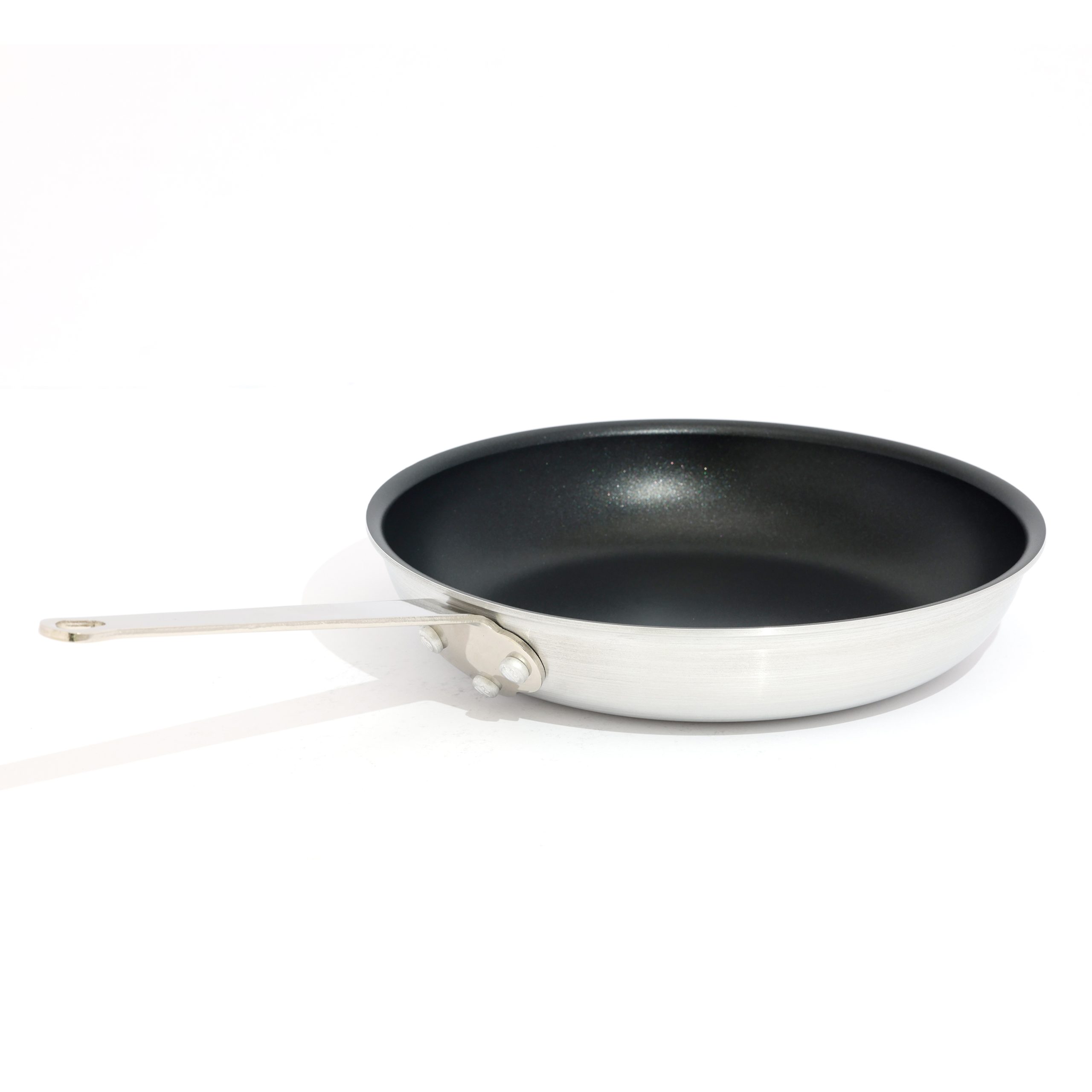
View COMCOM Aluminum Non-Stick Fry Pan
A frying pan or skillet is one of the most common tools in any kitchen. Its flat bottom, rounded sides, and curved edges make it ideal for fast frying, searing, and cooking breakfast dishes.
Wok
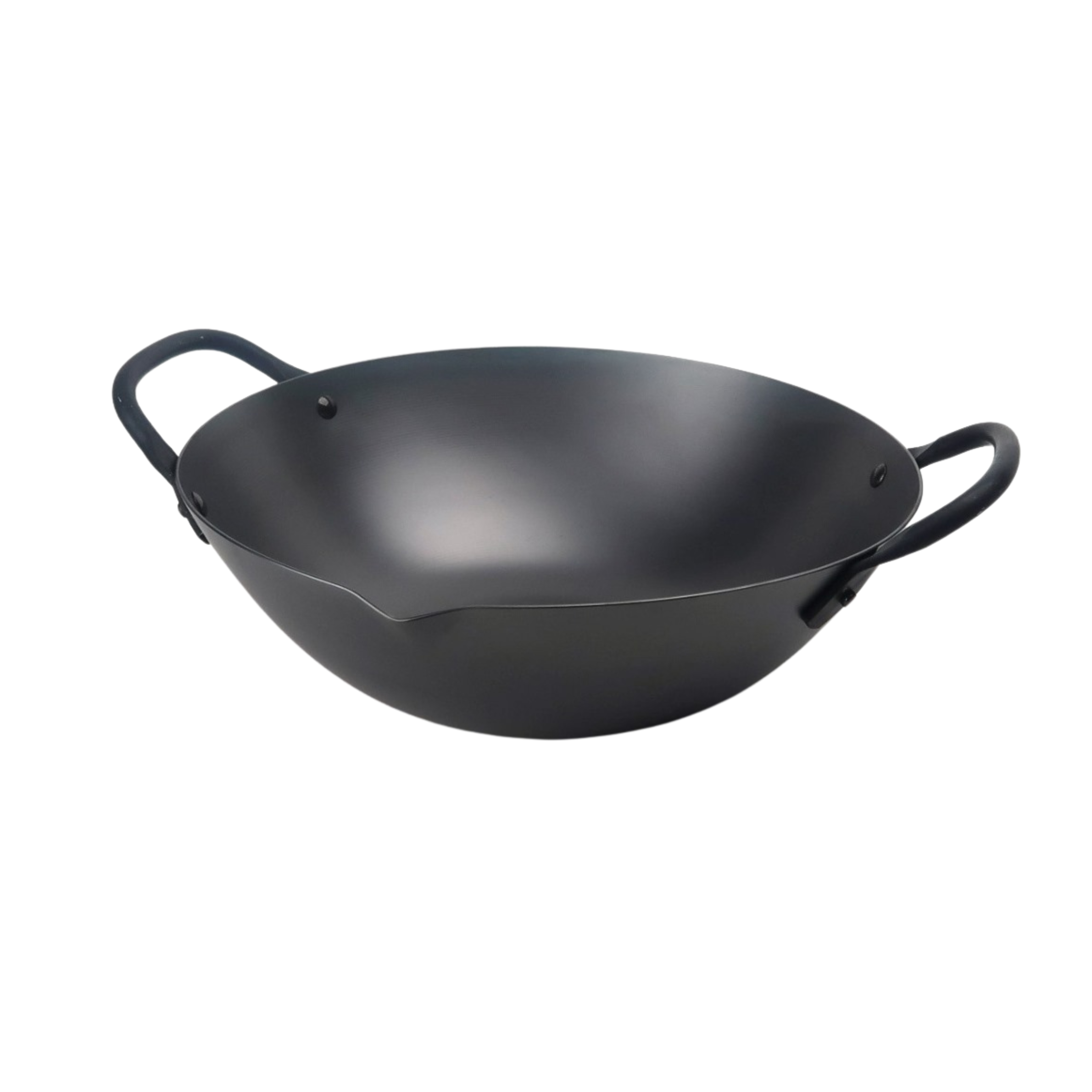
View COMCOM Canton Wok
A wok is ideal for frying, searing, and stir-frying. Its deeper curves and high edges make it easier to toss and mix ingredients while cooking over high heat.
Griddle
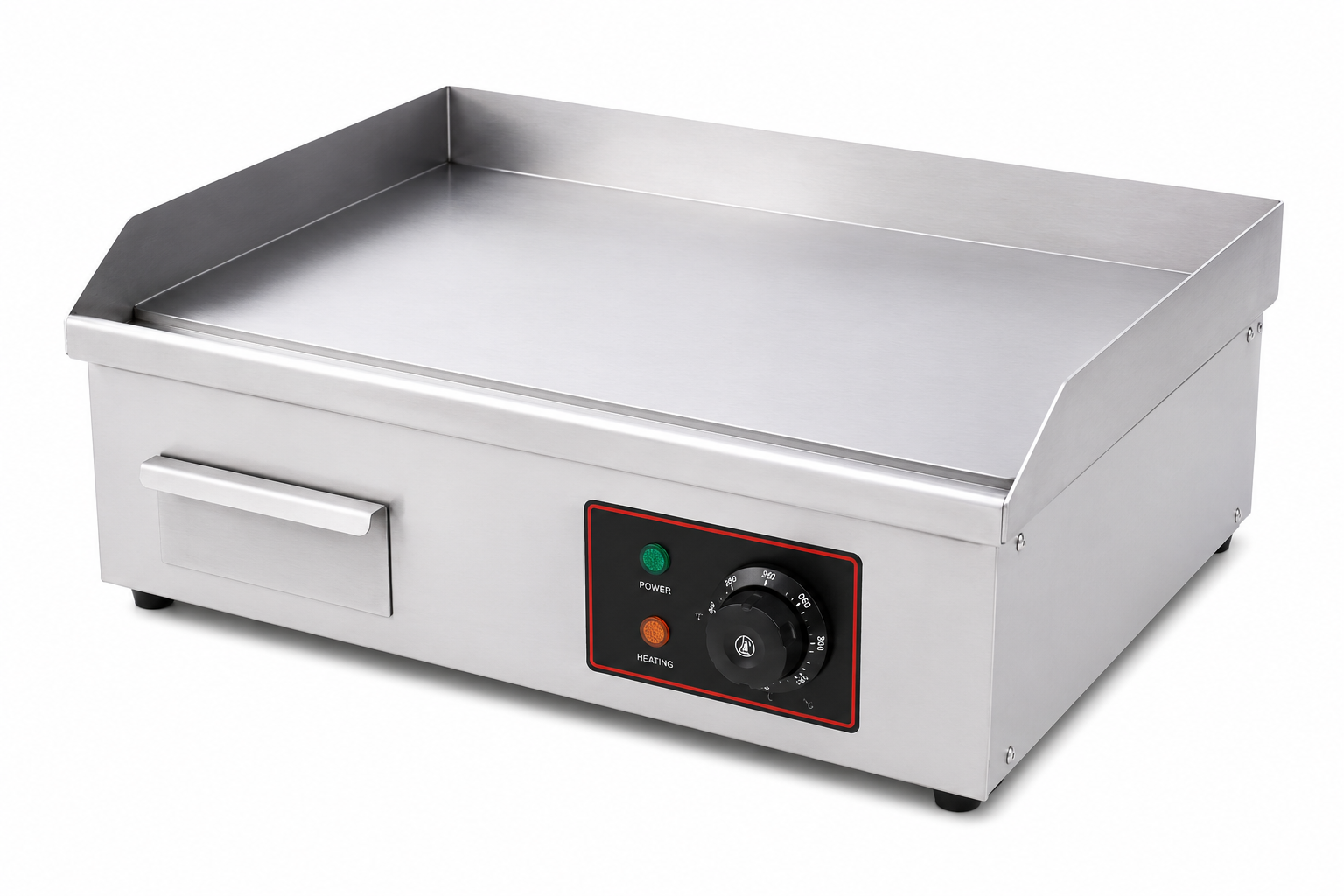
View COMCOM Electric Griddle
A griddle usually comes in a low rectangular form. It is excellent for cooking pancakes, breakfast items, sandwiches, and other flat-surface cooking needs.
Sauté Pan
A sauté pan is used for slow frying, sautéing, stirring, and tossing. It may resemble a frying pan, but it is usually deeper and has straighter sides instead of rounded edges.
Saucepan
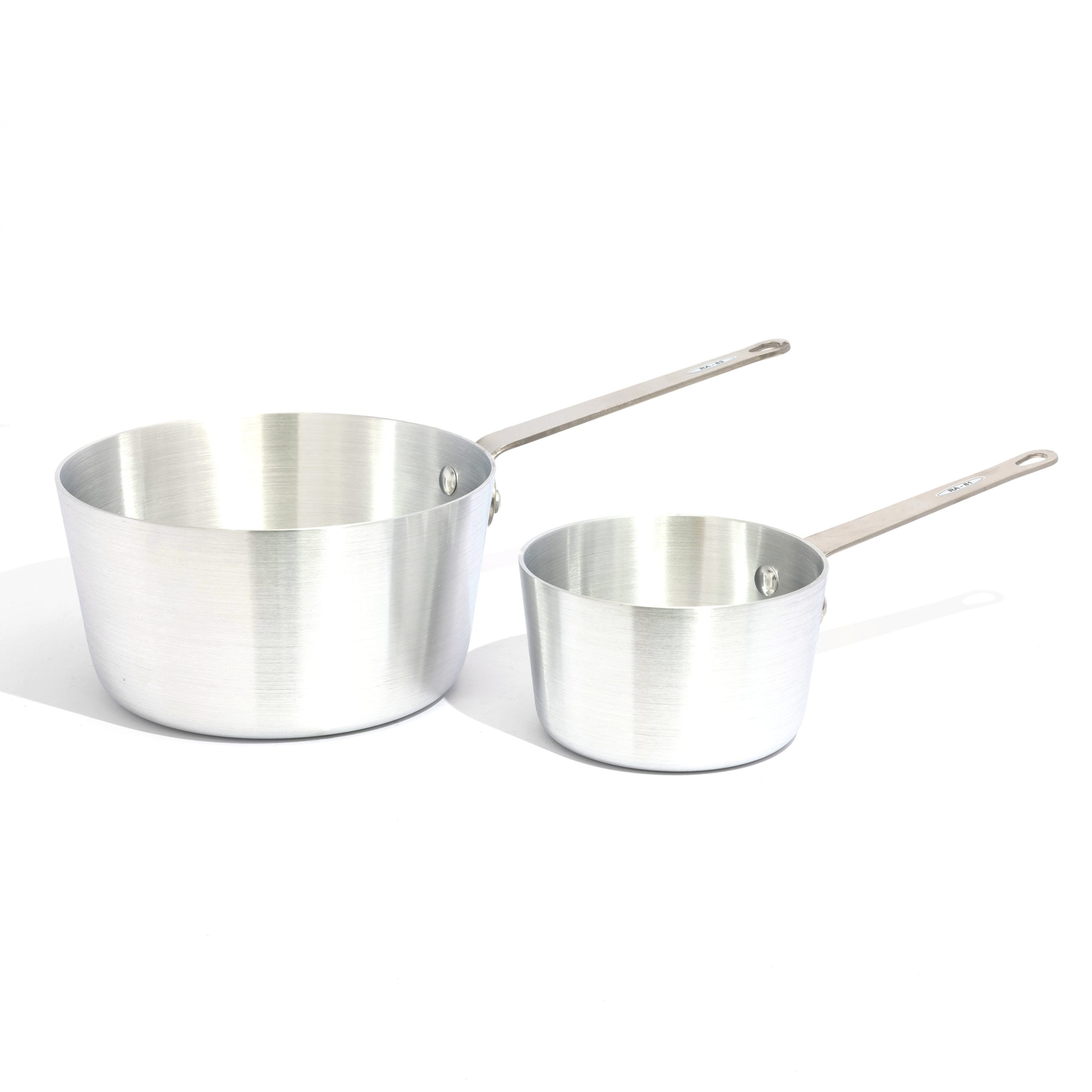
View COMCOM Aluminum Saucepan / Sauce Pot
A saucepan is designed for boiling and simmering. It is commonly used for soups, sauces, and other liquid-based cooking.
Stock Pots / Multi Pots
View COMCOM Stainless Cookware Stock Pot
Stock pots and multi pots are deep cookware pieces used for boiling, simmering, and preparing large batches of soup, stock, pasta, and other liquid-based dishes.
Braiser Pan
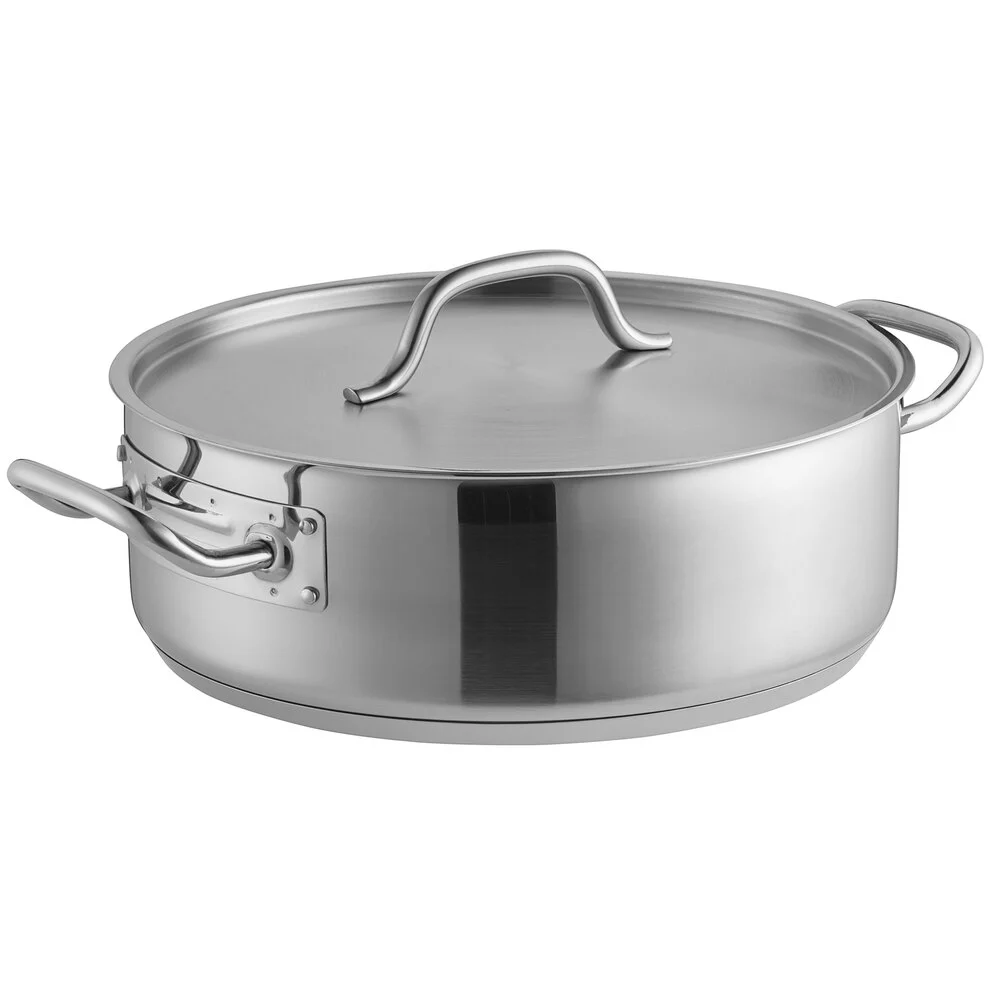
View COMCOM Stainless Cookware Brazier
A braiser pan is best used for braised dishes, stews, and one-pot meals. It often comes with two side handles, making it easier to transfer and serve.
Roaster Pan
A roaster pan is a low rectangular pan designed for oven use. It is ideal for roasting chicken, beef, and other dishes prepared for special meals or large servings.
Grill Pan
A grill pan is useful for simple grilling, such as salmon, pork belly, or vegetables. Its ridged surface helps create grill marks while cooking indoors.