For an established restaurant group, opening another branch usually starts with an existing concept, menu and operating requirement.
The equipment requirement may already include preferred appliance types, cookware, preparation tools, storage systems, service items and other products used across current locations. At the same time, each new branch may have its own quantities, dimensions or project specifications.
COMCOM supplies commercial foodservice products across several categories that can support new restaurant branch requirements in the Philippines.
From commercial kitchen appliances and cookware to food preparation tools, storage, catering supplies and handling products, buyers can source different parts of the requirement through one commercial supplier.
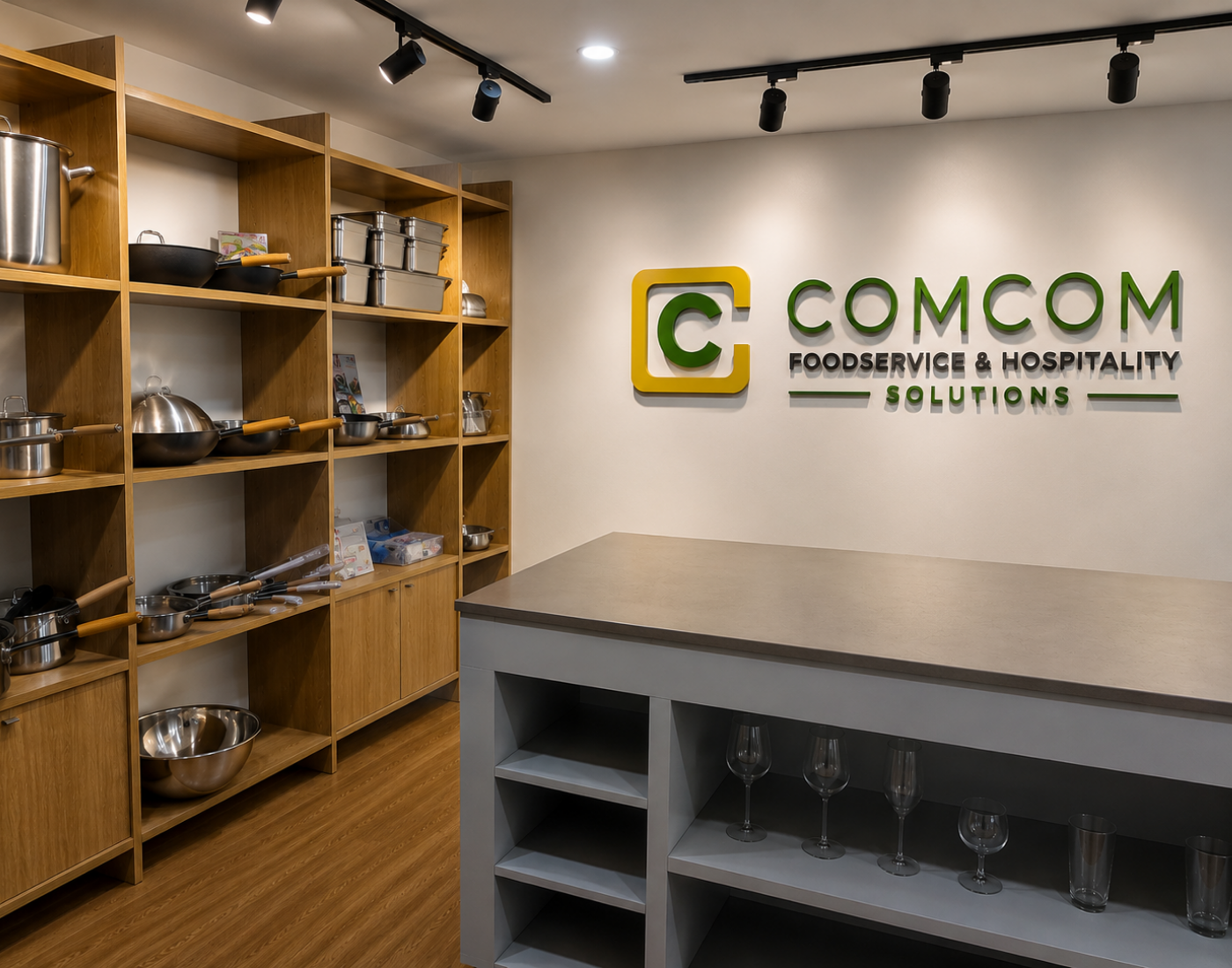
COMCOM Foodservice Supplies showroom in San Juan.
Commercial Kitchen Appliances
Major equipment often forms one of the first parts of a new branch requirement.
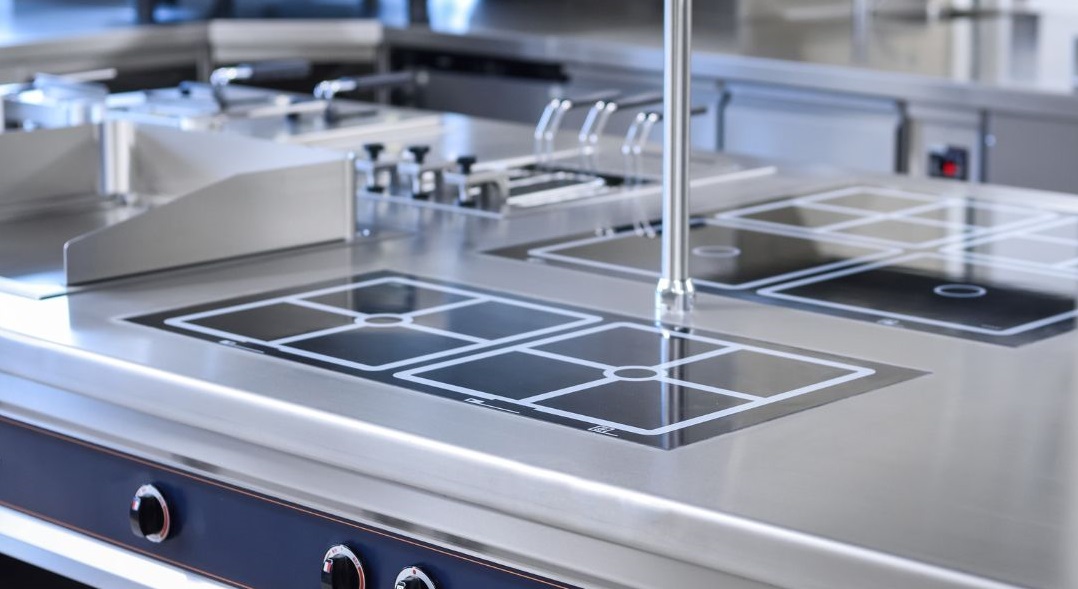
COMCOM’s Commercial Kitchen Appliances range covers equipment for professional foodservice applications. Restaurant groups can review available options according to the specifications already established for the new location.
For businesses working with an existing equipment standard, the COMCOM team can also review the submitted requirement against available product options.
This is particularly useful when a new branch needs equipment that follows an existing format or when purchasing teams are sourcing several categories for the same project.
Commercial Cookware
Cookware is another recurring requirement across restaurant locations.
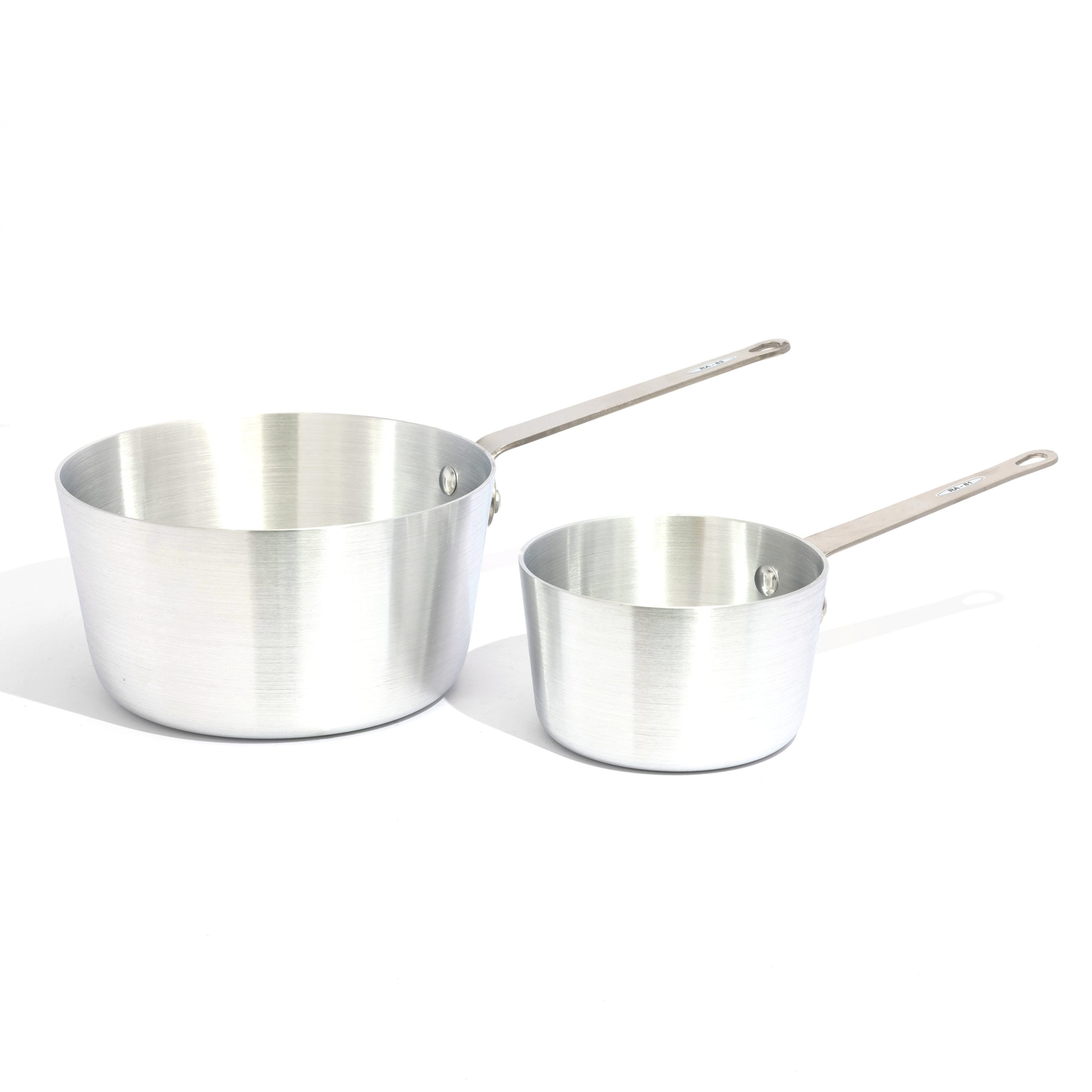
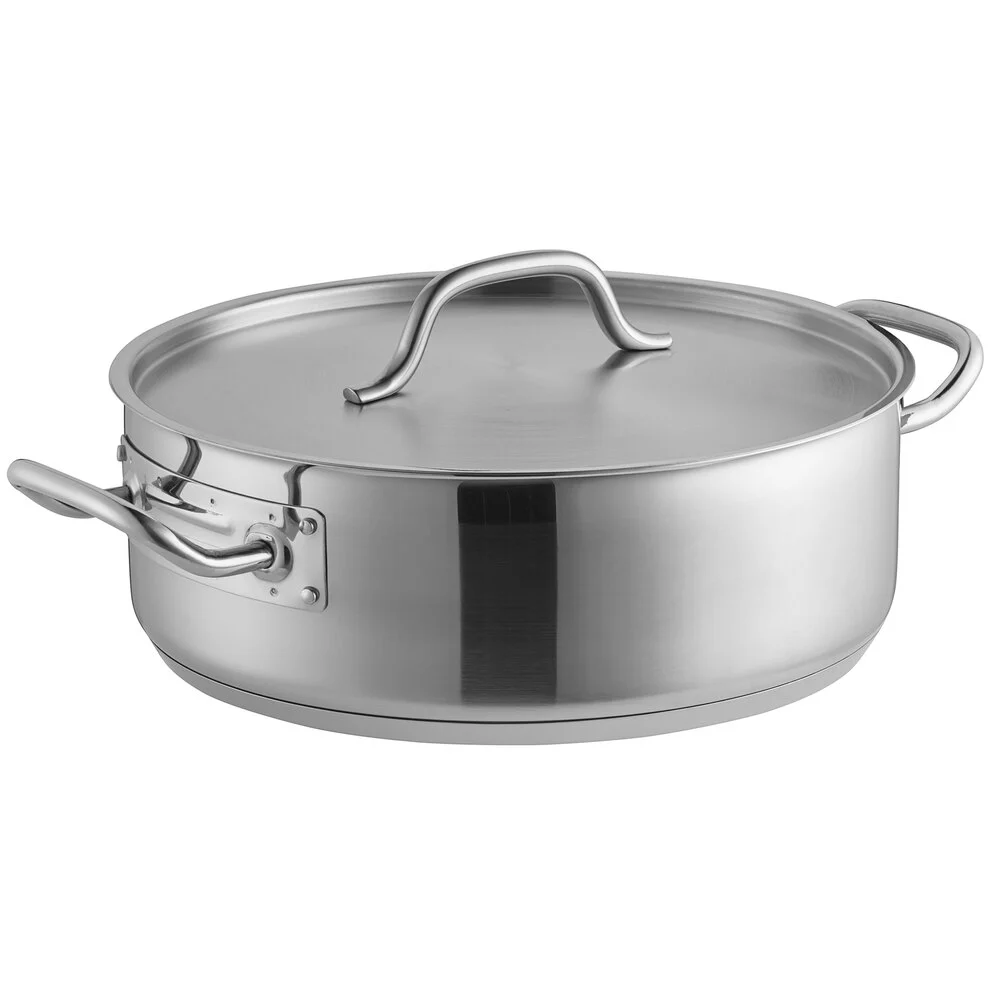
COMCOM carries commercial cookware for professional kitchens, giving restaurant and purchasing teams options for different cooking requirements.
For restaurant groups with preferred cookware types or sizes already in use, those details can be included when requesting a quotation. This allows the COMCOM team to work from the actual requirement rather than starting with a generic cookware list.
Existing COMCOM cookware categories can also be reviewed alongside the larger equipment requirement for the branch.
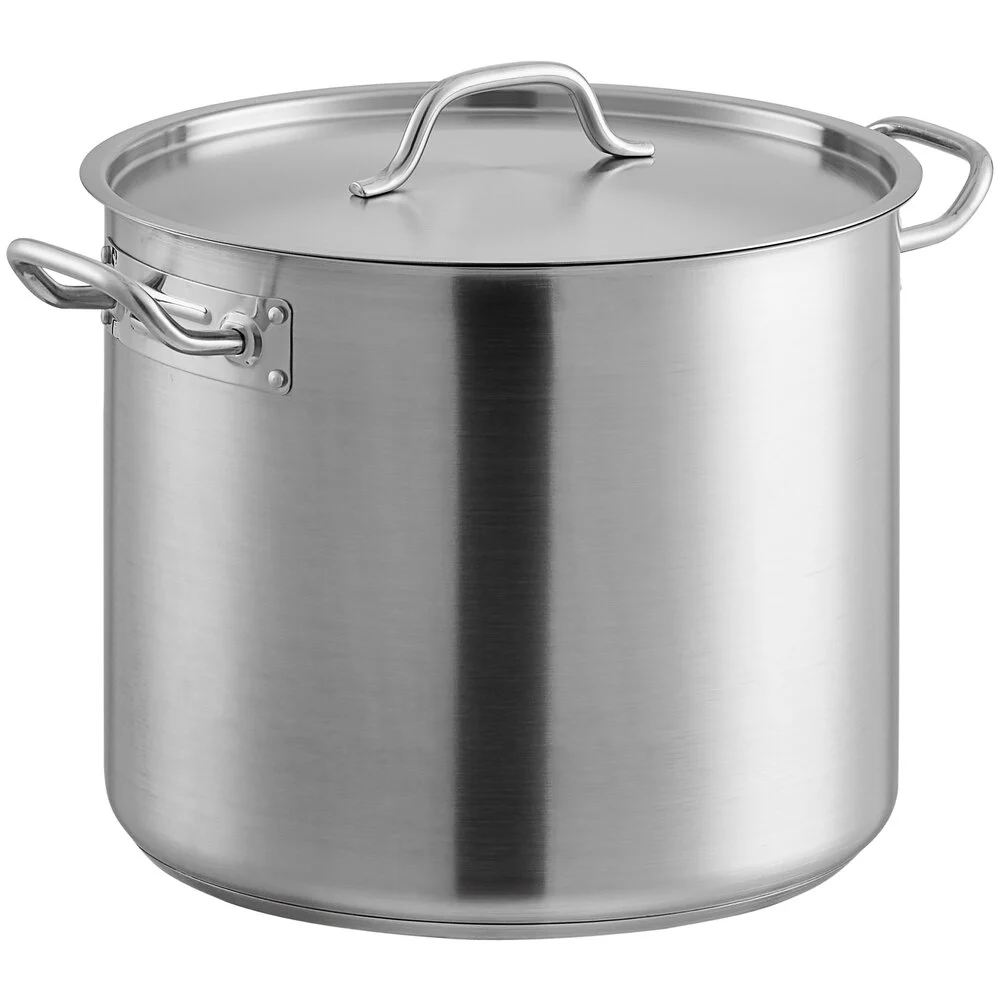
Commercial cookware can be matched to the branch’s preferred types and sizes.
Food Preparation Tools
Preparation requirements can involve a wide range of smaller equipment and tools that support daily kitchen production.
COMCOM’s Food Preparation Tools category includes products used across different preparation functions in commercial kitchens.
For a new branch, these items can be sourced according to the restaurant’s existing menu, stations and approved equipment requirements.
Restaurant groups that already maintain a standard list for preparation tools can send the relevant item descriptions, quantities or preferred product details to COMCOM for product matching and quotation.
Kitchen Storage and Organization
Storage equipment can form a significant part of a new commercial kitchen requirement.
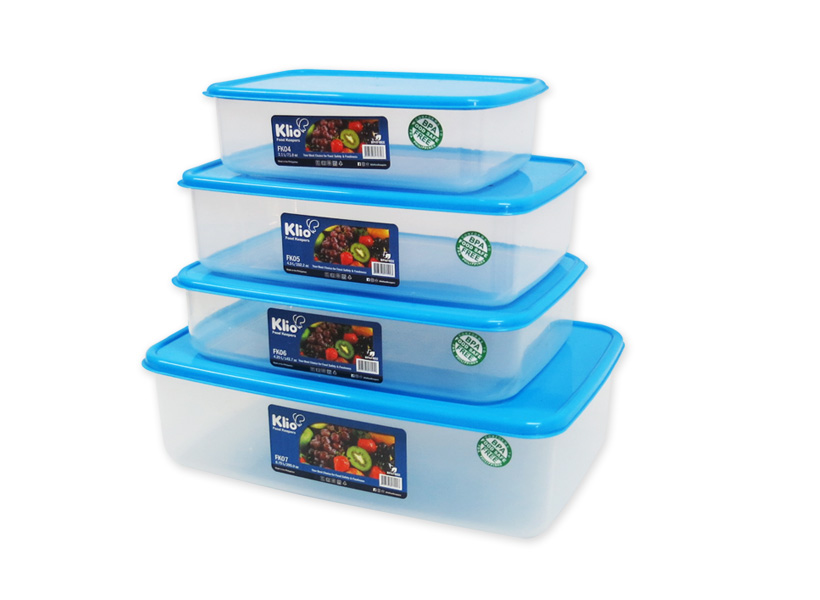
COMCOM supplies products under Kitchen Storage and Organization, including solutions for professional back of house environments.
For new restaurant locations, requirements may vary depending on the approved layout and the storage system already used by the business.
Where a restaurant group has established storage formats across several branches, COMCOM can work from those specifications when identifying available options.
This can help purchasing teams source storage related products together with the other kitchen categories required for the project.
Tableware and Servingware
A branch equipment package may extend beyond the kitchen itself.
For restaurant groups preparing a complete opening requirement, these products can be included alongside kitchen equipment, cookware, preparation tools and storage items.
Existing specifications, preferred formats and required quantities can be provided as part of the quotation request.
Catering and Buffet Requirements
Some restaurant concepts also include buffet service, functions, events or catering operations.
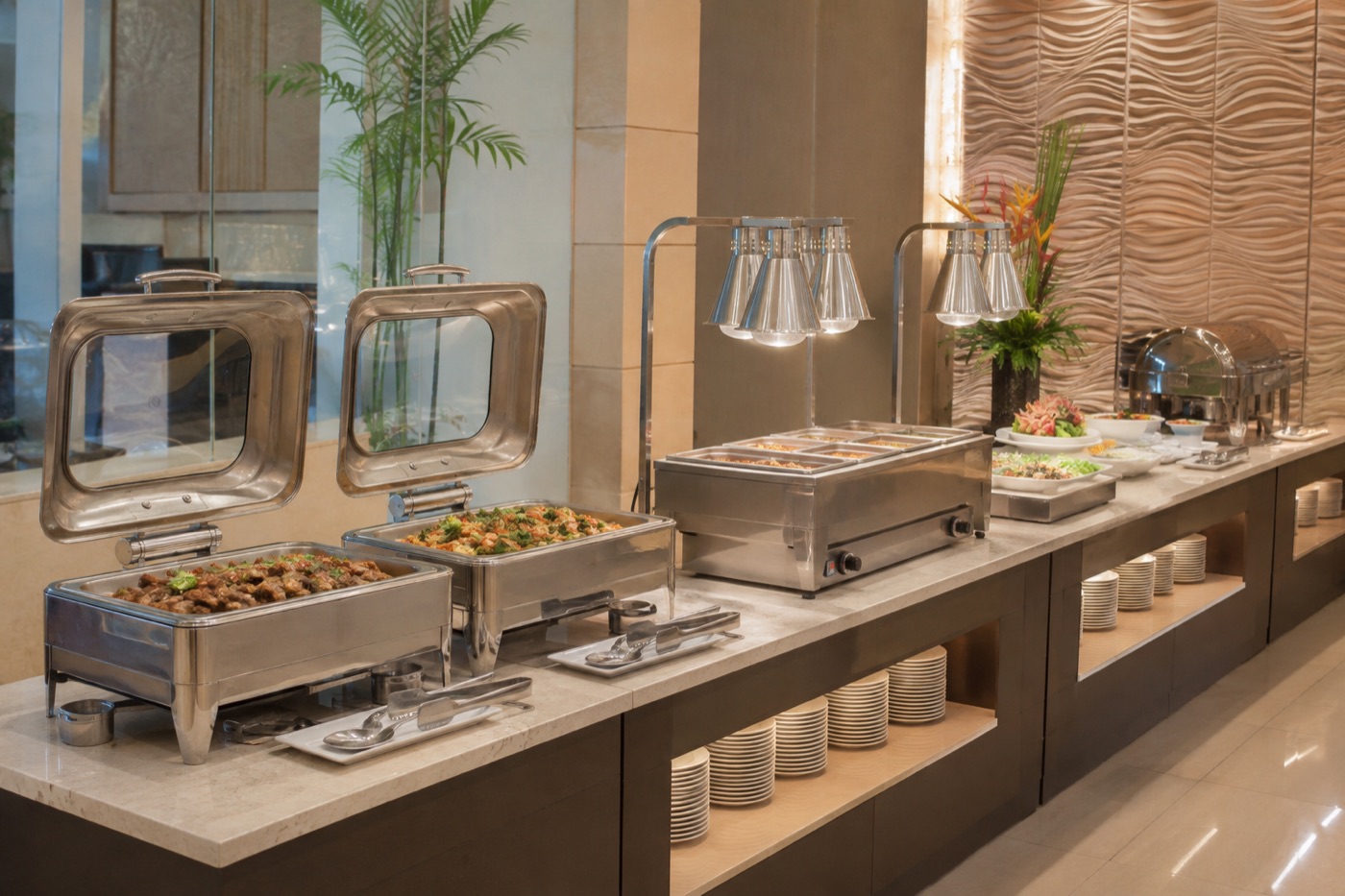
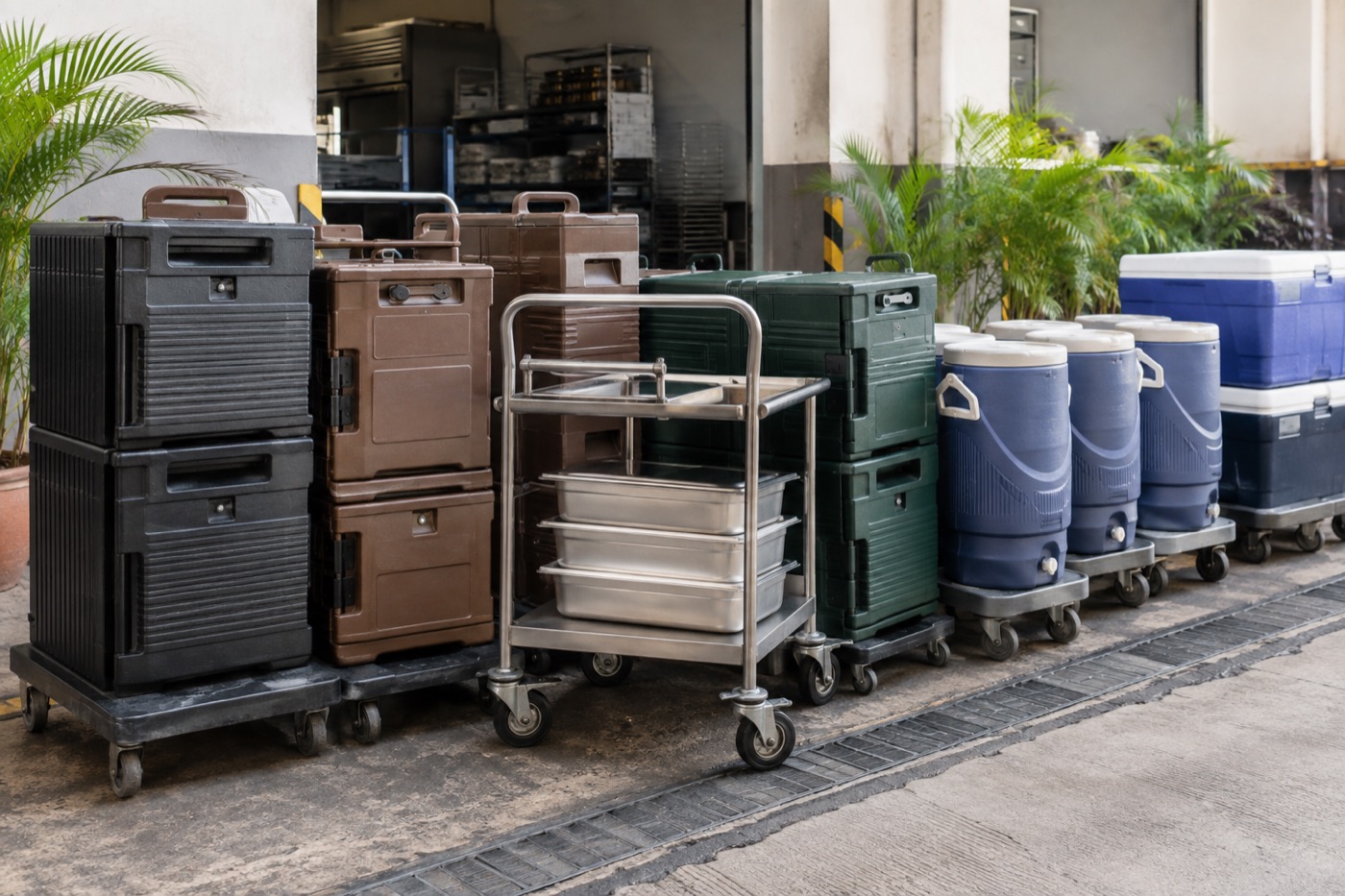
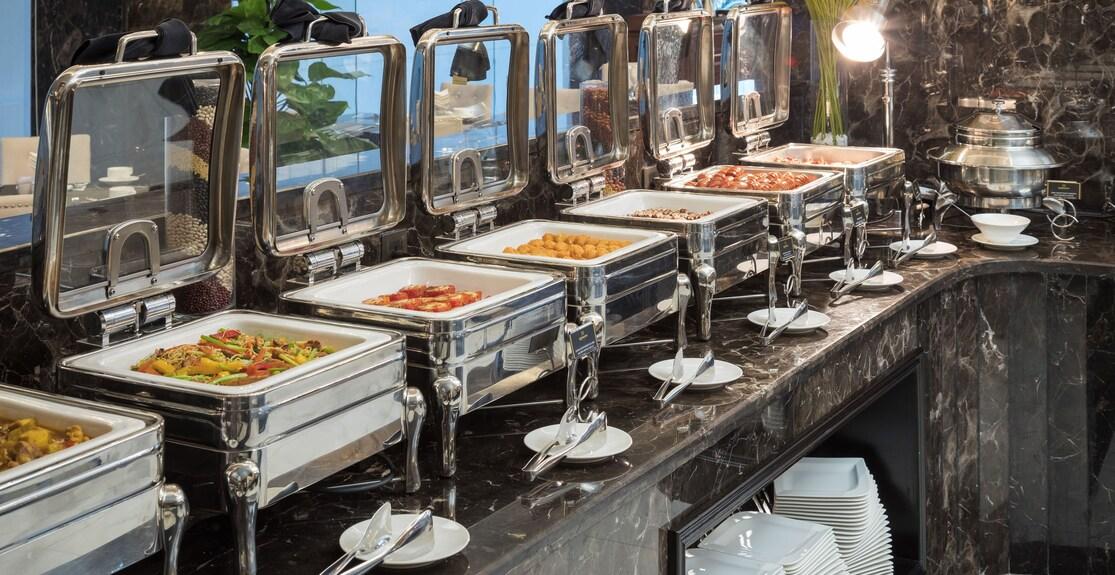
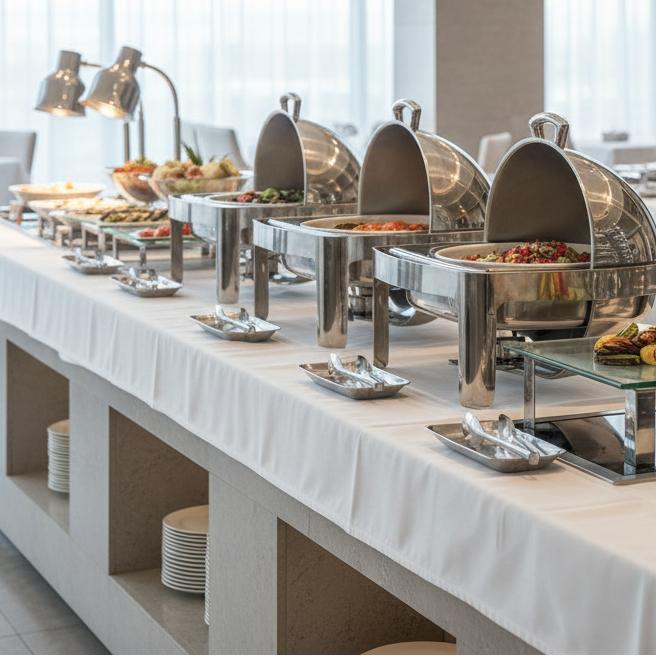
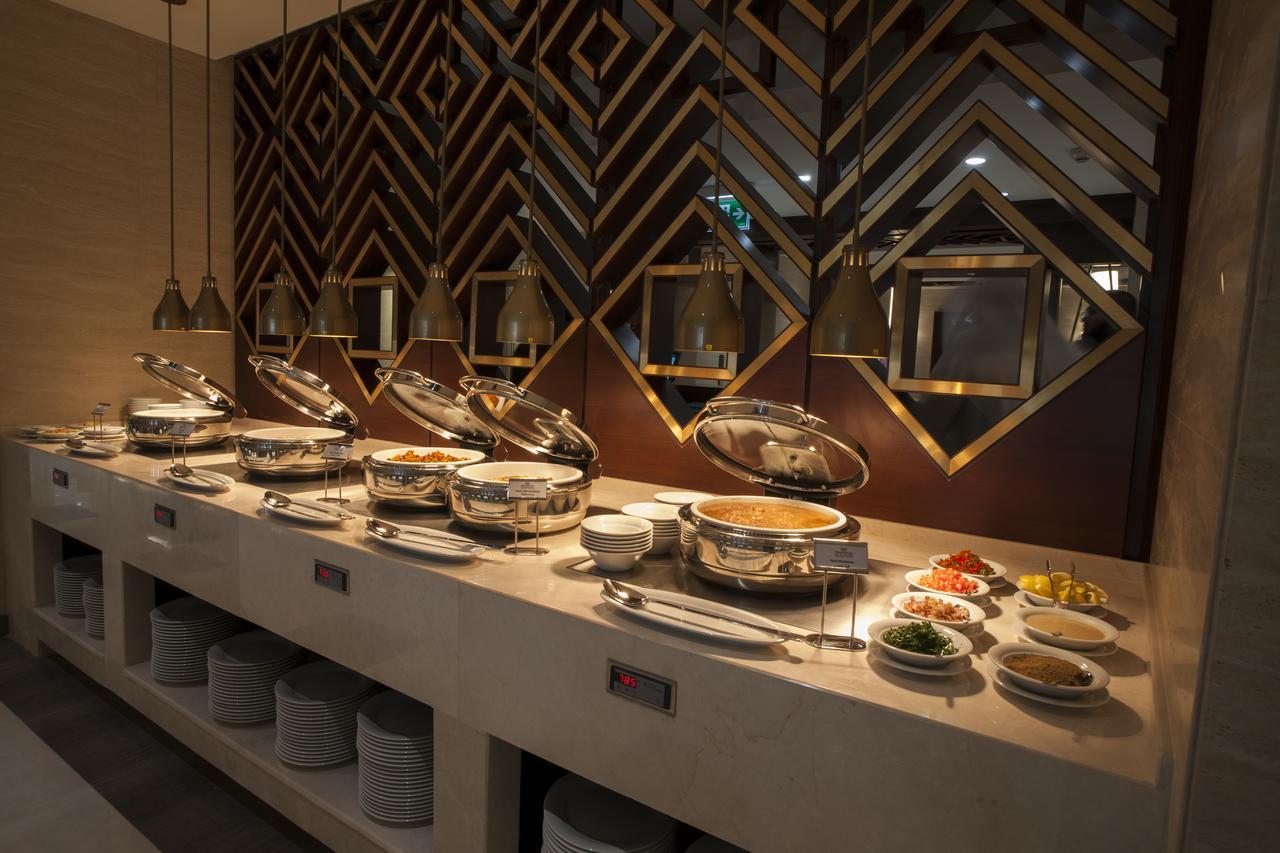
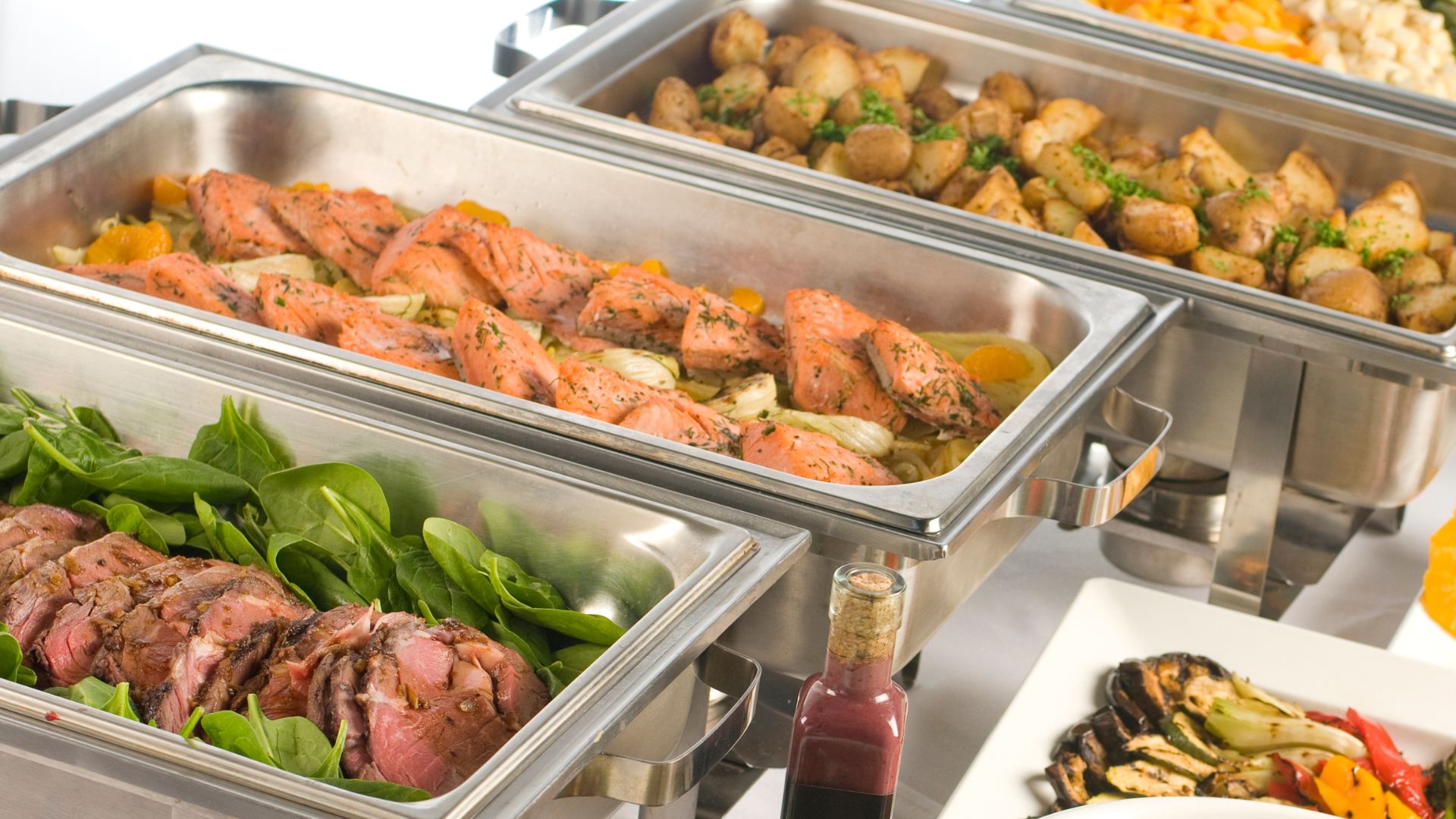
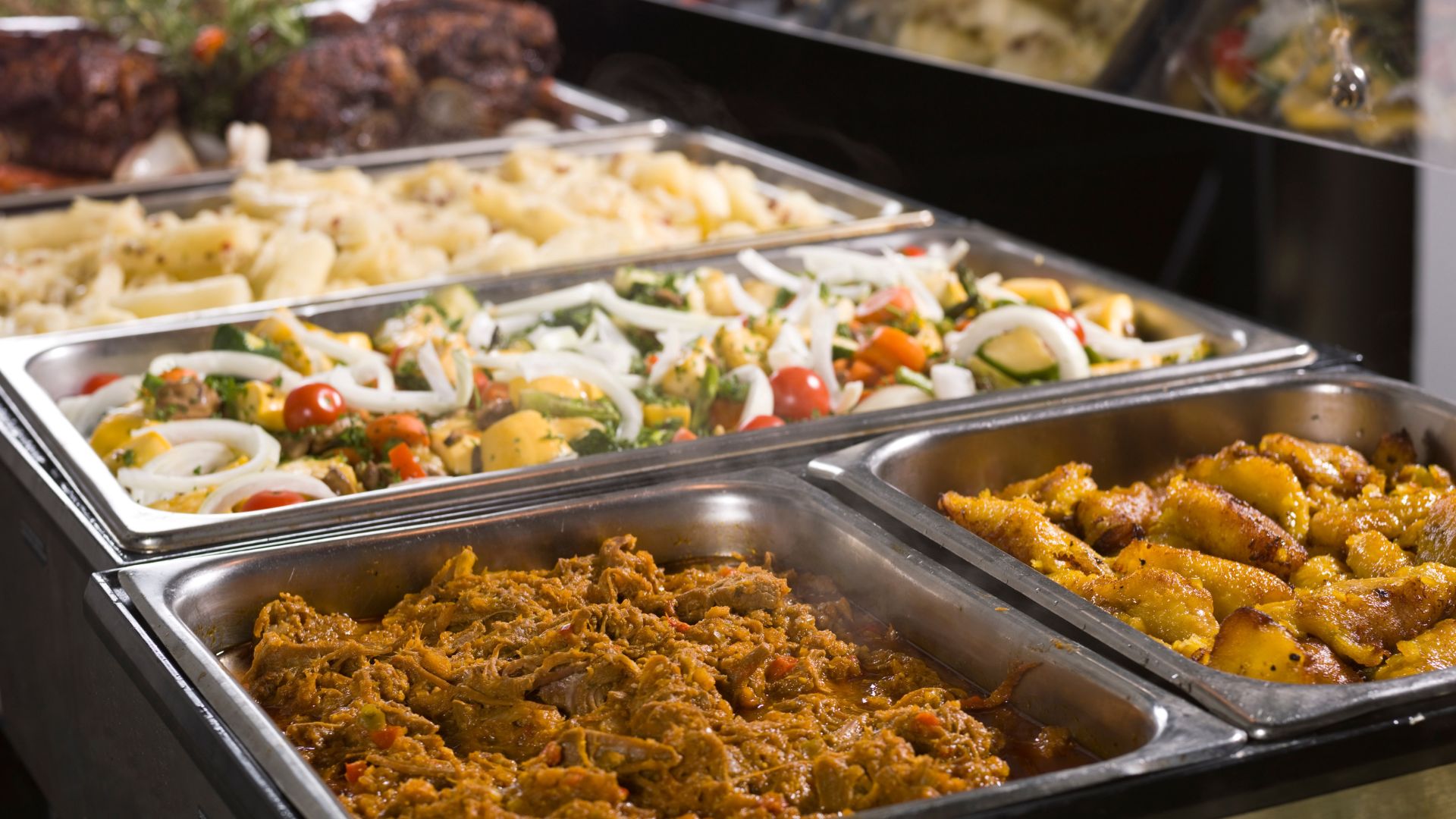
For these requirements, COMCOM’s Catering Supplies range includes products across buffet food stations, beverage stations, catering transport and waiter service.
Restaurants that already have specific buffet or catering equipment requirements can include these products as part of the wider branch sourcing request.
Commercial kitchen requirements do not end with cooking and service equipment.
COMCOM’s Janitorial and Handling Supplies category provides additional products for professional restaurant and foodservice environments.
These items can be included when a purchasing team is consolidating different equipment and supply categories for a new branch.
Including them within the same sourcing requirement also gives COMCOM a clearer view of the full range of products being requested for the project.
Sourcing Products Based on Existing Branch Requirements
For established restaurant groups, COMCOM does not need to define how the operation should be set up.
The restaurant, operations and project teams already know the standards required for their concept.
COMCOM’s role is to work from those requirements and help identify products from its available categories that may fit the requested specifications.
A branch requirement can include products that are already standardized across existing locations as well as items that are specific to the new site.
Where an exact model, size or configuration is required, those details can be provided for product matching. Where alternatives may be considered, the buyer can also indicate which specifications need to remain consistent.
Final product suitability remains subject to the approved requirements of the restaurant or project team.
Requesting a Quotation for a New Restaurant Branch
Restaurant groups can send COMCOM the equipment and supply requirements already prepared for the project.
Useful information may include the branch or project name, location, required products, quantities, preferred models or specifications where applicable, and the target requirement date.
Reference photos, existing product information or current branch specifications can also be shared when they help identify the requested item more accurately.
COMCOM can then review the submitted requirement, identify relevant available product options and prepare a quotation based on the products being sourced.
Whether the requirement covers one product category or several parts of a new restaurant branch package, the COMCOM team can work from the specifications provided by your purchasing, operations or project team.
Send COMCOM your item requirements, quantities and relevant specifications to request a quotation for your next restaurant branch.
For professional caterers, hotel banquet teams, restaurant groups, commissaries, and procurement teams, building an event equipment package is rarely about finding one missing item. The more important question is whether the complete setup supports the actual service format from loading and transport through buffet presentation, replenishment, beverage service, clearing, and pack down.
A useful catering equipment checklist should therefore do more than list products. It should help the buying team confirm which equipment groups are required, what needs to work together, and what information a supplier needs before preparing a quotation.
COMCOM carries commercial catering supplies across buffet food stations, beverage stations, catering transport, and waiter service. These categories can be combined according to the requirements of each hotel, restaurant, catering company, commissary, or institutional foodservice project.
1. Start With the Service Requirement, Not the Product List
Experienced foodservice teams usually already know the core equipment used in their operation. The sourcing challenge is making sure the package fits the particular event, venue, menu, and service plan.
Before finalizing an order, it is useful to confirm:
The type of service, such as buffet, banquet, corporate event, catered function, or other format
The number and type of food and beverage stations
The menu categories that require holding, serving, or transport equipment
What equipment is already available at the venue or commissary
How equipment will be transported, unloaded, moved, and stored
Any preferred equipment format that needs to match an existing setup
The quantities that need to be quoted
This gives the supplier a clearer basis for recommending categories and helps the purchasing team avoid building the requirement one item at a time without seeing the full service flow.
2. Buffet Food Station Equipment
For buffet service, the equipment package typically starts with holding and presentation. The exact configuration depends on the menu, service format, number of stations, and the equipment already in use.
COMCOM’s buffet food station equipment includes several product groups that can be considered when planning a buffet package.
Chafing Dishes and Food Holding
Chafing dishes are one part of the buffet system rather than the entire setup. Buyers may need to coordinate the selected format with food pans, heating accessories, service layout, and the way the station will be replenished.
COMCOM currently carries several chafing dish formats. One current example is the round induction chafing dish. The right option should be reviewed against the actual project requirement and any existing equipment that needs to be matched.
Food pans and buffet components should be reviewed as part of the same package. If the operation already uses specific pans or holding equipment, compatibility should be confirmed before ordering replacements or additional pieces.
The current Catering Supplies range includes solid and perforated steam table pans along with other buffet station items. Pan sizes, quantities, and configuration will vary according to the operation.
Specialty Buffet Stations
Some buffet operations may also require equipment for soup, breakfast, cereal, or beverage service. The requirement should be based on the menu and station plan rather than on a standard list that applies to every event.
Where applicable, flame gel for buffet service is also available within the current COMCOM range. The exact compatibility of any heating accessory should be confirmed for the selected equipment before use.
3. Beverage Station Equipment
Beverage service often needs to be planned separately from the food line because it has its own service, replenishment, and transport requirements.
COMCOM’s beverage station equipment includes current options such as a coffee urn, beverage dispensers, water service items, and insulated beverage transport products.
A hotel breakfast operation, conference service, catered event, and mobile beverage station may each require a different combination. Buyers can start by confirming what will be served, whether beverages are prepared at the venue or transported, how many service points are required, and what equipment is already available.
For operations that need insulated beverage transport, an insulated beverage carrier can be considered as part of the wider catering transport plan.
4. Catering Transport and Handling
For off site catering, the transport plan is part of the equipment plan.
Food and beverage equipment may need to move from a commissary or kitchen to a loading area, vehicle, venue staging area, and final service station. The products selected for transport should therefore fit the actual movement of the operation.
When reviewing transport requirements, procurement teams can consider:
What food or beverage items need to be transported
Whether the equipment must also support holding or staging
The distance between unloading and the final service area
How many trips or service points the team needs to support
The size and access conditions of the venue
What equipment needs to return to the commissary after service
The purpose of this review is not to prescribe one transport method. It is to help ensure the equipment being sourced fits the actual route from kitchen to service and back again.
5. Waiter and Service Equipment
Front of house equipment is easy to separate from the kitchen purchasing list, but it still affects the complete service package.
COMCOM’s waiter service equipment includes current items such as service trays, bus trays, and service carts. A bus tray can support clearing and movement requirements depending on the service setup.
The right combination will depend on the number of service stations, the clearing workflow, the type of table service, and how the team moves used and clean service items through the venue.
For this reason, waiter service items are best reviewed alongside the buffet and transport requirement rather than added as an afterthought after the main equipment package is already finalized.
6. Check the Venue and Setup Requirements Before Finalizing the Package
Even when the menu and service format are familiar, venue conditions can change the equipment requirement.
Before the quotation is finalized, the buyer may need to confirm practical details such as:
Where unloading will take place
How far equipment needs to be moved to the service area
Whether elevators, stairs, narrow access points, or long corridors affect handling
The number and position of buffet and beverage stations
Which tables, counters, utilities, or service equipment are already available at the venue
Which items must be supplied by the catering or hotel team
Whether any new equipment needs to match an existing format
These details make the quotation discussion more useful because the supplier can understand the complete requirement rather than only receiving a list of product names.
7. What to Include in a Catering Equipment Quotation Request
A clear quotation request can make it easier for the supplier to identify relevant categories and ask the right follow up questions.
When contacting COMCOM, purchasing teams can provide the information they already have available, such as:
Service or event format
Menu or food station requirements
Expected quantities
Number of buffet, beverage, or service stations
Venue and setup considerations
Transport and handling requirements
Preferred equipment formats
Existing equipment that the new items need to match
Product names or SKUs already identified from the COMCOM catalog or website
There is no need to have every specification finalized before starting the discussion. A sourcing conversation can begin with the operational requirement and narrow the product options from there.
8. Build a Coordinated Catering Equipment Package
For established foodservice teams, the value of a catering equipment checklist is not the number of items on the page. It is the ability to see whether the buffet, beverage, transport, handling, and waiter service requirements have been considered together.
A hotel may be reviewing equipment for a banquet or breakfast buffet. A catering company may need a package that moves between venues. A restaurant group may be expanding event service. A commissary may be supporting multiple service points. Each operation can require a different mix of equipment even when the product categories look similar.
COMCOM’s Catering Supplies range gives professional buyers one place to review buffet, beverage, transport, and service equipment. The team can help identify suitable product categories based on the actual requirement and prepare a quotation for the items being considered.
Planning a buffet, banquet, catering, or event service requirement? Send COMCOM your service format, expected quantities, venue setup, transport needs, and preferred equipment categories to request a quotation.
Choosing the Right Chafing Dish for Your Foodservice Operation
In professional foodservice, buffet equipment needs to work as part of the overall service system. The appropriate chafing dish configuration can depend on the menu, buffet layout, service volume, presentation requirements and preferred heating method.
COMCOM offers a range of commercial chafing dishes for hotels, restaurants, caterers, banquet operations and other foodservice applications as part of its commercial catering supplies. Available formats include round, square, rectangular and oval designs, with listed capacities ranging from 4.0L to 9.0L, depending on the model.
The range allows foodservice operators and purchasing teams to select equipment according to the requirements of each project, rather than relying on a single standard configuration.
Chafing Dish Formats for Different Buffet Setups
Chafing dish shape can influence both presentation and how equipment is arranged across a buffet or service area.
COMCOM’s current range includes:
Round chafing dishes
Square chafing dishes
Rectangular chafing dishes
Oval chafing dishes
Rectangular formats can provide an efficient arrangement for buffet lines, while round and oval designs can offer a different presentation for selected menu concepts. Square units can also provide an alternative where the buffet layout calls for a more compact or structured arrangement.
For projects involving multiple units, maintaining a consistent format can also contribute to a more coordinated buffet presentation.
Round, Square, Rectangular or Oval?
There isn’t necessarily one format that is appropriate for every application. The preferred configuration will depend on the buffet design, available space, menu presentation and the overall service environment.
COMCOM can provide different formats to support these requirements.
Capacity Options From 4.0L to 9.0L
Capacity is another important specification when selecting commercial chafing dishes for a foodservice project.
COMCOM’s current assortment includes models with listed capacities of:
4.0L · 5.0L · 6.0L · 8.0L · 9.0L
The appropriate capacity can vary according to the application and service format.
Larger-capacity units may be suitable for higher-volume food presentation, while smaller capacities can provide flexibility for menus with multiple dishes or more frequent replenishment.
Capacity should also be considered together with the dimensions and configuration of the actual food pan. For projects involving existing pans or replacement components, COMCOM can help verify compatibility with the selected model.
Glass Top, Glass Lid or Rolltop Configuration
COMCOM’s chafing dish range includes configurations featuring glass tops, glass lids and rolltop designs.
The choice can depend on the desired presentation and service arrangement.
Glass Top and Glass Lid
Glass configurations provide visibility of the food while maintaining the appearance of a covered buffet setup. They can be particularly suitable for applications where presentation and product visibility are important considerations.
Rolltop
Rolltop configurations provide a different style of buffet access and presentation. They are commonly considered for hotel, banquet and catering applications where convenient access during service is important.
The best configuration ultimately depends on the requirements of the individual project.
Selecting the Appropriate Heating Configuration
Heating configuration is an important specification when preparing a buffet equipment package.
COMCOM currently offers induction chafing dish models in selected round, square and rectangular formats. The Catering Supplies range also includes flame gel for buffet service for applicable buffet heating setups.
For induction applications, the chafing dish and induction equipment should be evaluated as a compatible system. For flame gel applications, the appropriate configuration and accessories should likewise be confirmed for the selected model.
For projects involving existing buffet equipment, COMCOM can help verify the appropriate configuration before an order is finalized.
Food Pans and Buffet Components
A chafing dish forms part of a larger buffet equipment setup.
For customers adding to an existing buffet setup or preparing a new equipment package, pan compatibility is an important specification to establish for the exact chafing dish model.
Depending on the project, customers may require:
Additional food pans
Replacement pans
Solid steam table pans
Perforated steam table pans
Additional buffet accessories
COMCOM can help identify compatible components based on the selected model.
Selecting Chafing Dishes for Hotels, Restaurants and Caterers
Different foodservice environments can call for different equipment configurations.
Hotels and Resorts
Permanent buffet installations may prioritize a consistent presentation across multiple units, with the appropriate capacity and heating configuration for daily breakfast, lunch, dinner or event service.
Restaurants
Restaurants may require more flexible configurations depending on the size and frequency of buffet service.
Catering Companies
For mobile catering operations, the preferred equipment package may involve considerations such as quantity, format, handling and transport between venues.
Banquets and Events
Large events may require multiple units across different food stations, making consistency of format and compatibility of components particularly important.
COMCOM’s range provides multiple configurations that can be considered according to the requirements of each application.
Current COMCOM Chafing Dish Options
The current Catering Supplies range includes options such as:
Product availability, specifications and compatible accessories may vary. For current requirements, COMCOM can confirm the applicable specifications and available configurations when preparing a quotation.
Building a Buffet Equipment Package
For larger hotel, restaurant or catering projects, chafing dishes are often only one component of the required buffet equipment.
Depending on the application, a package may include:
Chafing dishes
Food pans
Buffet serving equipment
Heating accessories
Replacement components
Other catering supplies
Working from the actual project requirements allows the equipment package to be specified more effectively and helps ensure that the selected components work together.
COMCOM’s team can assist with product selection and quotation for individual requirements, replacement needs or larger foodservice projects.
Why Choose the Right Commercial Chafing Dish?
A commercial chafing dish should complement the operation it is being used in—whether that is a hotel buffet, restaurant service, banquet, catering event or other professional foodservice environment.
With different shapes, capacities, lid configurations and heating options available, the right choice depends on the specific application.
Rather than selecting based solely on appearance or capacity, professional buyers can evaluate the complete configuration and compatibility of the equipment with their existing or planned buffet setup.
Looking for Chafing Dishes for Your Foodservice Project?
Whether you’re sourcing equipment for a hotel, restaurant, catering company, banquet venue or other HORECA operation, COMCOM can help identify suitable chafing dish configurations based on your requirements.
Send us your preferred format, quantity and application to request a quotation.
Let’s talk about pans. Stainless steel and polycarbonate are two of the most common materials used to make food pans. Both have their advantages, but which one is right for you? The world of food service can be a confusing one, and there are countless choices to make. This guide will help you decide which material best suits your needs.
These two materials function differently, so choosing between them depends on what you want to achieve in your kitchen. Understanding their strengths will help you make a better decision.
Stainless Steel
Stainless steel hotel pans are a classic choice for restaurants and food service establishments. They are durable, easy to clean, and highly resistant to rust and corrosion. They do not warp easily, and minor scratches can be buffed out. They are also relatively lightweight and perform well in keeping food warm. Stainless steel pans can tolerate very high temperatures, making them ideal for hot food service.
Polycarbonate
Polycarbonate hotel pans are more commonly used for food storage. Their transparent design allows you to easily see the contents inside, making them ideal for organizing ingredients. They can handle both cold and moderate heat conditions and are lightweight and resistant to dents. However, they are more prone to cracking if dropped and generally do not last as long as stainless steel.
Hotel Pan Sizes
Hotel pans come in standardized sizes to fit different food service needs. This makes it easier to use them across various equipment like steam tables and storage systems without compatibility issues.
Fraction Size
Measurement
Use
Full Size
12” x 20”
For main courses and large servings
2/3 Size
12” x 13-1/3”
Great for pasta and medium servings
Half Size
12” x 10”
Ideal for salads and sides
Half Long
6” x 20”
Used for long food portions
Third Size
12” x 6-2/3”
Often used for side dishes
Quarter Size
6” x 10”
Good for smaller portions
Sixth Size
6” x 6-2/3”
For sauces, toppings, dressings
Ninth Size
4” x 6-2/3”
For very small portions
We hope this guide helps you decide on your next purchase. If you need assistance in choosing the right kitchen equipment, feel free to reach out. We are here to help make your buying process easier.
A well-organized commercial kitchen is easier to work in, easier to clean, and easier to manage during a busy service. The goal is not to make the kitchen look perfect. The goal is to make sure ingredients, tools, equipment, staff, and cleaning routines move through the space in a logical way.
For restaurants, hotels, bakeries, commissaries, and catering operations, better organization can reduce unnecessary movement, make supplies easier to find, and help teams maintain more consistent routines. Before buying more shelves, containers, cookware, or equipment, start by looking at how work actually moves through your kitchen.
1. Start With the Flow of Food and People
The most useful way to organize a commercial kitchen is to follow the path of the work.
Ingredients usually move from receiving to storage, then to preparation, cooking, plating or holding, service, and finally cleaning. When the kitchen layout forces staff to repeatedly cross these paths, even simple tasks can become slower and more confusing.
Walk through a normal service period and observe where people stop, turn around, wait, or cross paths. Those moments often reveal the real organization problems.
Instead of asking, “Where can we fit this shelf?” ask, “Where does this item need to be so the team can use it without interrupting the workflow?”
2. Divide the Kitchen Into Clear Working Zones
Even a small commercial kitchen benefits from clear zones. The exact setup depends on your menu and service format, but most operations need a logical place for receiving and storage, preparation, cooking, plating or service, and warewashing.
Receiving and storage should make it easy to inspect and put away supplies quickly. Preparation areas should have the tools and ingredients needed for repetitive prep work. The cooking line should keep frequently used cookware and utensils close to the equipment where they are used. Clean dishes and service items should move toward plating without crossing through dirty dish areas.
You do not need walls between every zone. Clear placement, shelving, labeling, and staff routines can define the boundaries.
3. Keep High-Use Tools Within Easy Reach
If a cook uses the same tongs, ladle, spatula, pan, or measuring tool several times during a shift, that item should not be stored across the room.
High-use tools should be placed near the station where they are used most. This can mean wall-mounted storage, utensil containers, hooks, open shelving, or assigned drawers. The exact storage method matters less than consistency.
The team should know where an item belongs before service begins and where it should return after cleaning.
This principle also applies to food preparation tools. Knives, cutting tools, mixing tools, measuring tools, strainers, and thermometers are easier to manage when each group has an assigned home near the work it supports.
4. Use Shelving and Vertical Space Strategically
Counter space is valuable in a working kitchen. Supplies that do not need to live on a prep surface should be moved to shelving, racks, or other designated storage whenever practical.
Open shelving can make frequently used items easier to see and return. Vertical storage can also help smaller kitchens use available space more efficiently.
Avoid treating every empty shelf as general storage. Give each shelf or section a purpose. For example, one area may hold dry ingredients, another may hold clean cookware, and another may hold backup service supplies.
Store heavier items where staff can handle them safely. Keep frequently used items at an accessible height. Less frequently used supplies can occupy secondary storage areas. Explore COMCOM’s commercial kitchen storage and organization options when planning the setup.
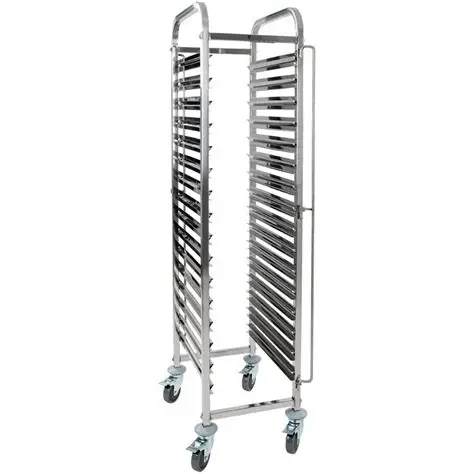
A pan rack trolley keeps cookware organized and easier to move where it is needed.
5. Organize Dry Storage With FIFO and Clear Labels
A storage room can look tidy and still be difficult to manage if ingredients are not rotated properly.
Use a clear first in, first out routine so older stock is used before newer deliveries. Date labels, product names, assigned shelf locations, and consistent container placement make this easier for the whole team to follow.
The system should be simple enough that a staff member can understand it at a glance.
Keep food storage off the floor, protect ingredients from contamination, and keep food separate from chemicals and cleaning materials. These are practical organization habits as well as important food-safety principles for commercial operations.
Labels are especially useful when several people share the same storage area. Instead of relying on memory, make the system visible.
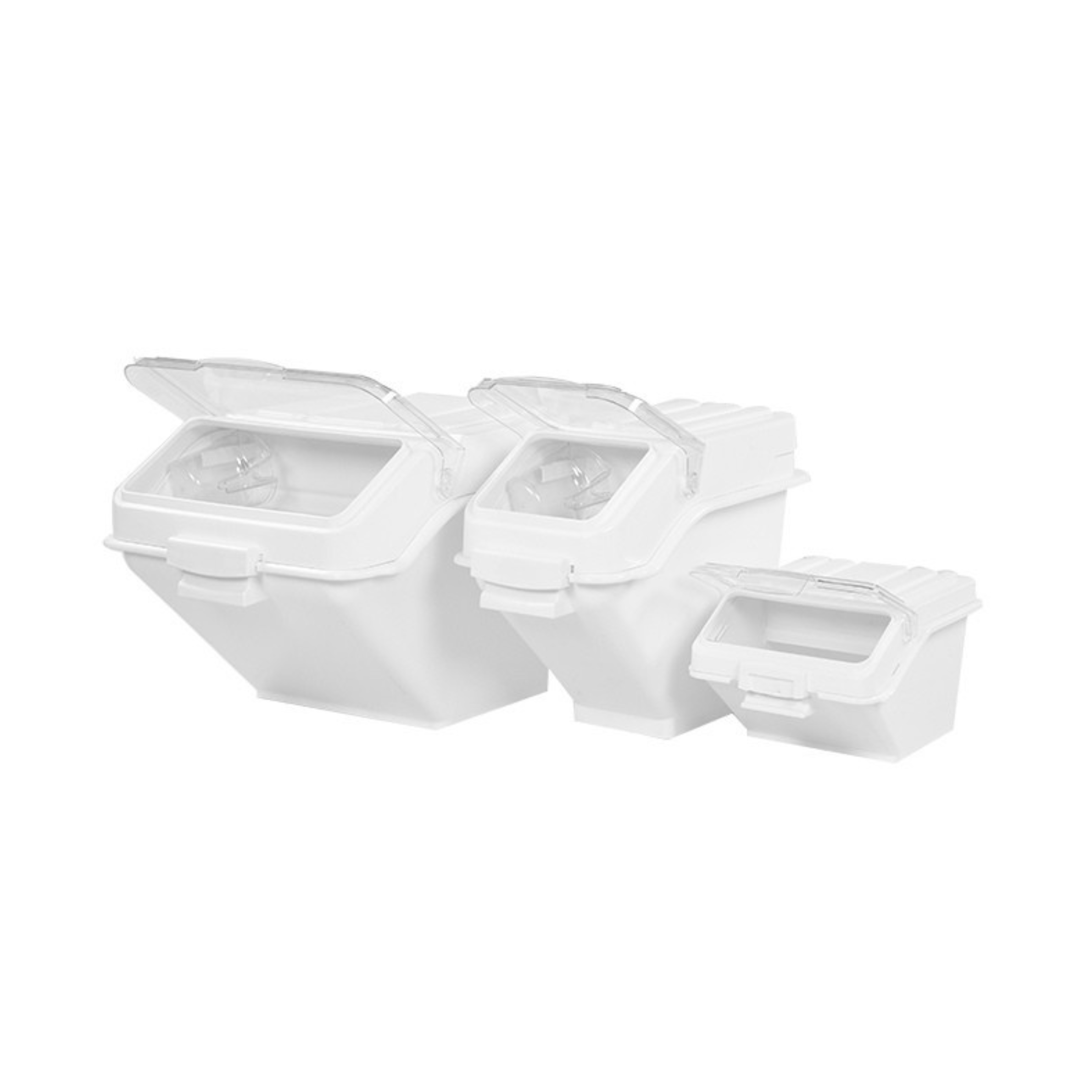
Shelf ingredient bins support clear grouping, labeling, and stock rotation.
6. Separate Food, Cleaning Supplies, and High-Risk Items
Cleaning chemicals, janitorial tools, food ingredients, clean service items, and raw food should not all compete for the same storage space.
Create distinct locations for each group. This makes cleaning easier and reduces the chance of staff placing an item in the wrong area during a busy shift.
For janitorial and handling supplies, choose a location that is accessible to the cleaning team but separate from food and food-contact items.
7. Keep Clean and Dirty Workflows From Crossing
Warewashing can become a major bottleneck when dirty dishes, clean dishes, food preparation, and service traffic all share the same route.
Create a clear direction for used dishes to enter the washing area and for clean dishes to leave it. Clean items should have a dedicated drying and storage area away from incoming dirty items.
The same principle applies to waste. Trash movement should not cut through active food preparation whenever the layout gives you another option.
A clear clean-and-dirty flow helps the team know where items belong and reduces confusion during peak periods.
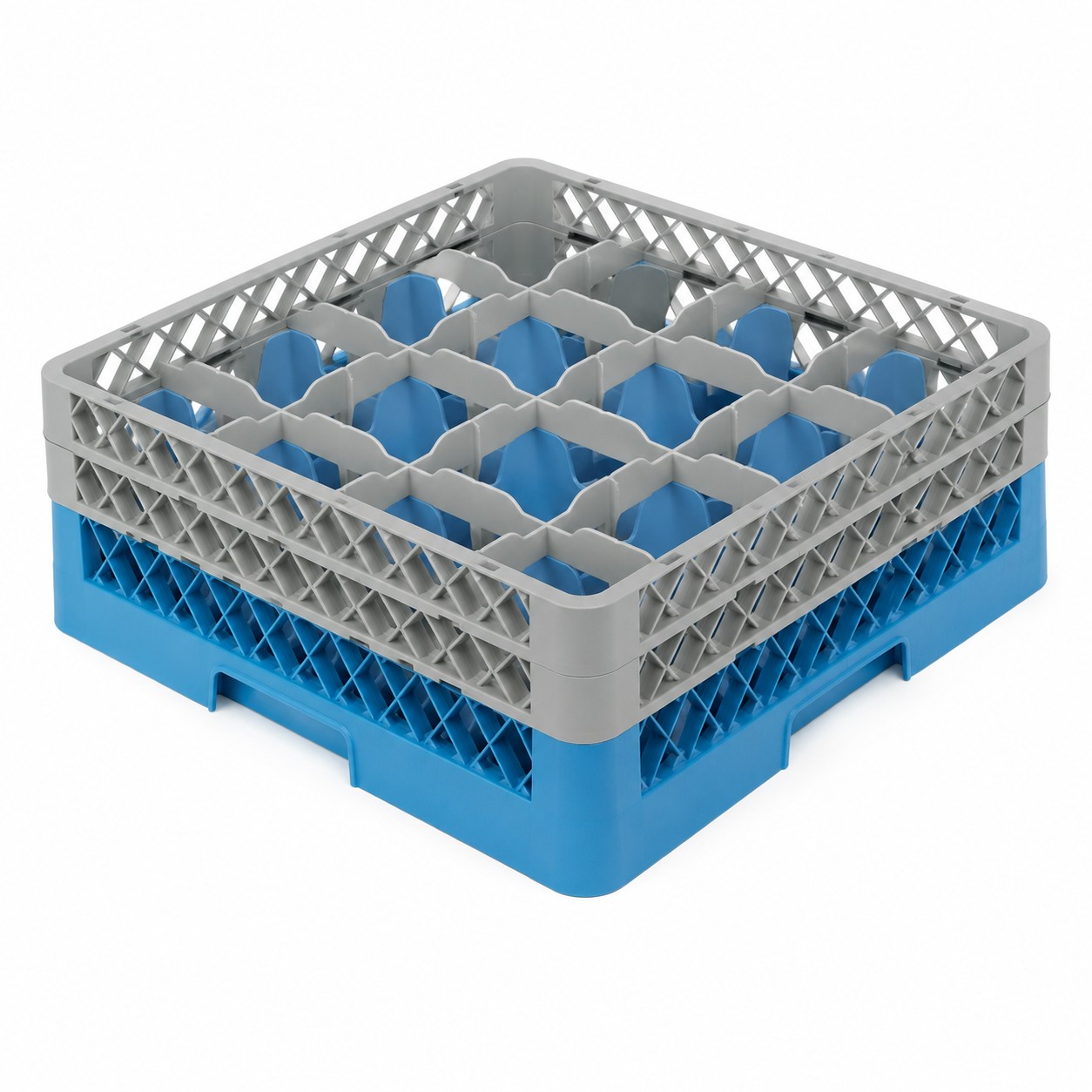
Dedicated dishwashing racks help organize clean items and keep them separate from incoming dirty ware.
8. Standardize Each Station
A kitchen becomes easier to manage when each station has a repeatable setup.
For every station, identify the tools used constantly, the ingredients needed during service, the cookware required, the backup supplies, and the cleaning items needed for quick resets.
Then decide exactly where each item belongs.
If two cooks work the same station on different shifts, they should not have to reorganize the area based on personal preference. A standard setup supports faster handovers and makes missing items easier to spot.
9. Build a Daily Reset and Weekly Organization Routine
Organization does not stay in place on its own.
At the end of each shift, return tools to assigned locations, remove unnecessary items from prep surfaces, check labels, and restore each station to its standard setup.
Once a week, review storage areas for duplicate supplies, damaged containers, unused equipment, misplaced items, and stock that is not rotating correctly.
This weekly reset is also a good time to ask the team what is slowing them down. The people working inside the kitchen every day often notice unnecessary movement long before it becomes obvious to management.
10. Review the Setup Before Buying More Equipment
When a kitchen feels crowded, buying another rack or cabinet may seem like the fastest solution. Sometimes it is. Sometimes the real problem is that existing space is being used poorly.
Before purchasing, review what needs to be stored, how often it is used, where it is used, how large or heavy it is, and who needs access to it.
The same applies to cookware and smallwares. A restaurant may not need more items. It may need a better system for grouping, storing, and returning the items it already owns.
This approach helps purchasing teams choose supplies around the operation instead of filling the kitchen with products that do not solve a workflow problem.
11. Source Supplies Around the Workflow
The best storage and organization setup depends on the operation.
A bakery may need easy access to baking tools, ingredient storage, racks, and measuring equipment. A restaurant hot line may need cookware and utensils close to the range. A hotel buffet operation may need service items, food-holding equipment, and transport supplies organized around setup and replenishment.
Start with the workflow, then choose the storage, preparation, cookware, service, and cleaning supplies that support it.
COMCOM supplies professional foodservice products for restaurants, hotels, caterers, cafes, commissaries, bakeries, and institutions across the Philippines.
In a commercial kitchen, one of the most important goals is producing great-tasting dishes. To make that happen, it takes more than a complete set of ingredients. Having the right tools also makes a big difference. Certain cookware materials work better for specific cooking methods, which means one size does not fit all.
Knowing the right cookware can help bring out the best in your dishes and reduce cooking-related issues such as burning, overcooking, undercooking, and more. The options can be overwhelming, so here is a quick guide to help you understand the different types of cookware and how to use them.
First, let us discuss the various cookware materials. The type of material used in a pan or pot can either help improve your cooking process or create problems in the kitchen.
Cast Iron Cookware
Cast iron cookware is heavy, long-lasting, and versatile. It heats up slowly but holds heat well once hot. It can be used on the stovetop or inside the oven, making it an excellent material for griddles, fry pans, and grill pans.
Stainless Steel Cookware
Stainless steel is a common and excellent choice for cookware. It has high resistance to stains and rust, making it easier to clean and maintain. When choosing stainless steel cookware, it is best to select high-quality pieces with an aluminum or copper core for better heat distribution.
Aluminum Cookware
Aluminum cookware is another popular choice because it is reasonably affordable and conducts heat well. It is lightweight, resistant to corrosion and rust, and can last a long time with proper care. Many aluminum pans also come with a non-stick coating, making cooking and cleaning easier.
Non-stick Cookware
Non-stick cookware helps prevent food from sticking to the pan without needing too much oil or grease. This makes it a good choice for lighter and healthier cooking. It is also easy to clean, making it a practical and efficient tool in the kitchen.
Now that you know the different cookware materials, it is time to look at the different types of cookware and how to use them.
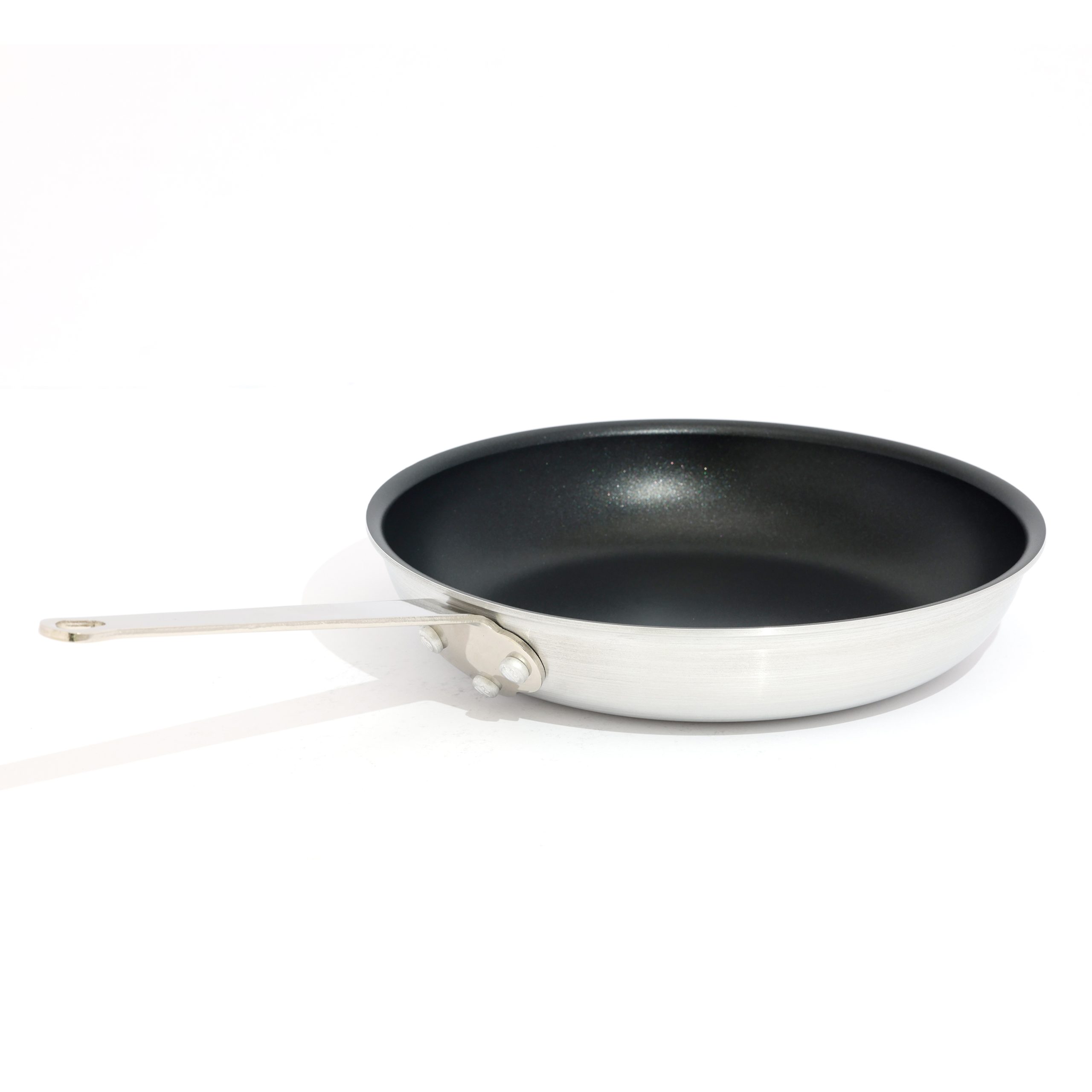
A frying pan or skillet is one of the most common tools in any kitchen. Its flat bottom, rounded sides, and curved edges make it ideal for fast frying, searing, and cooking breakfast dishes.
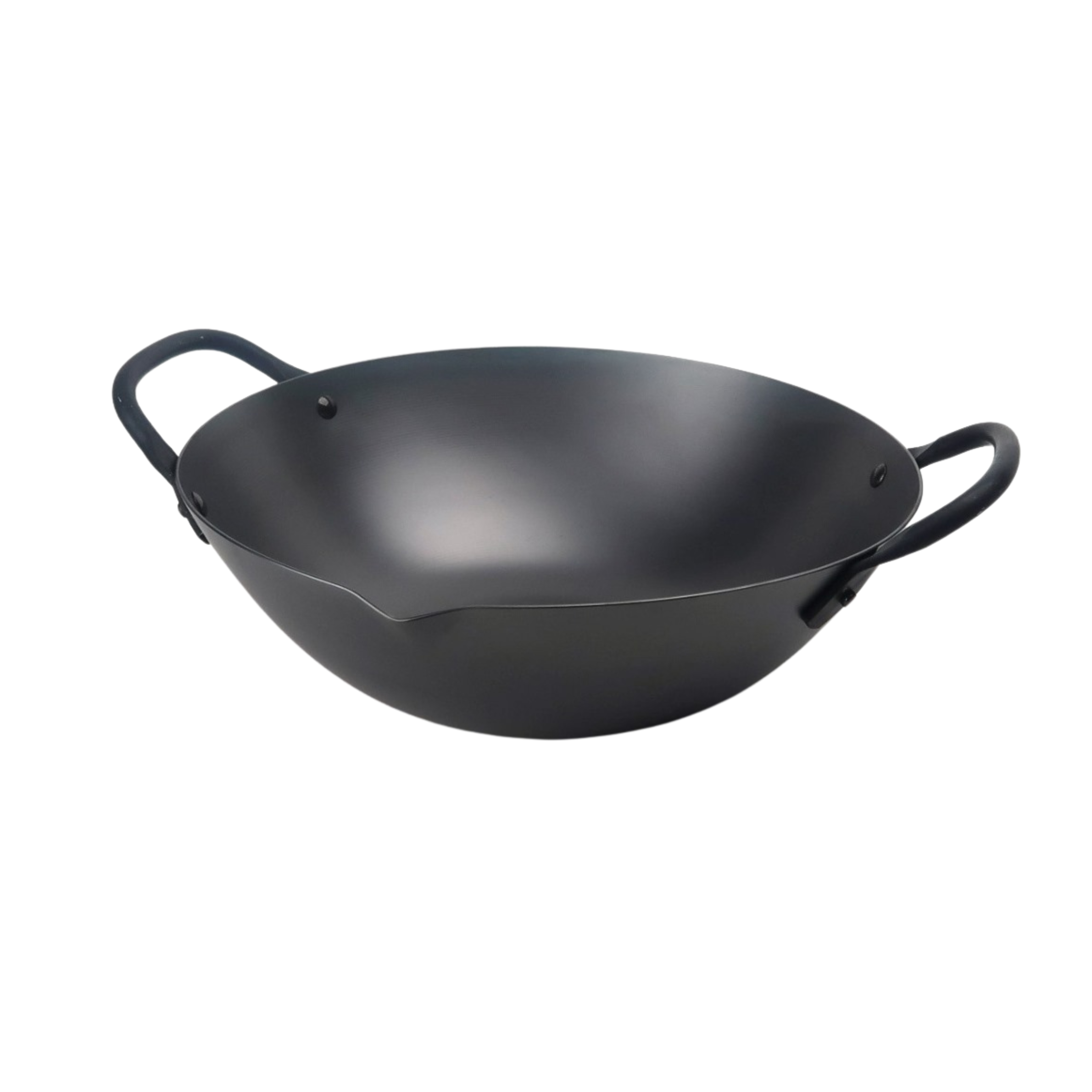
A wok is ideal for frying, searing, and stir-frying. Its deeper curves and high edges make it easier to toss and mix ingredients while cooking over high heat.
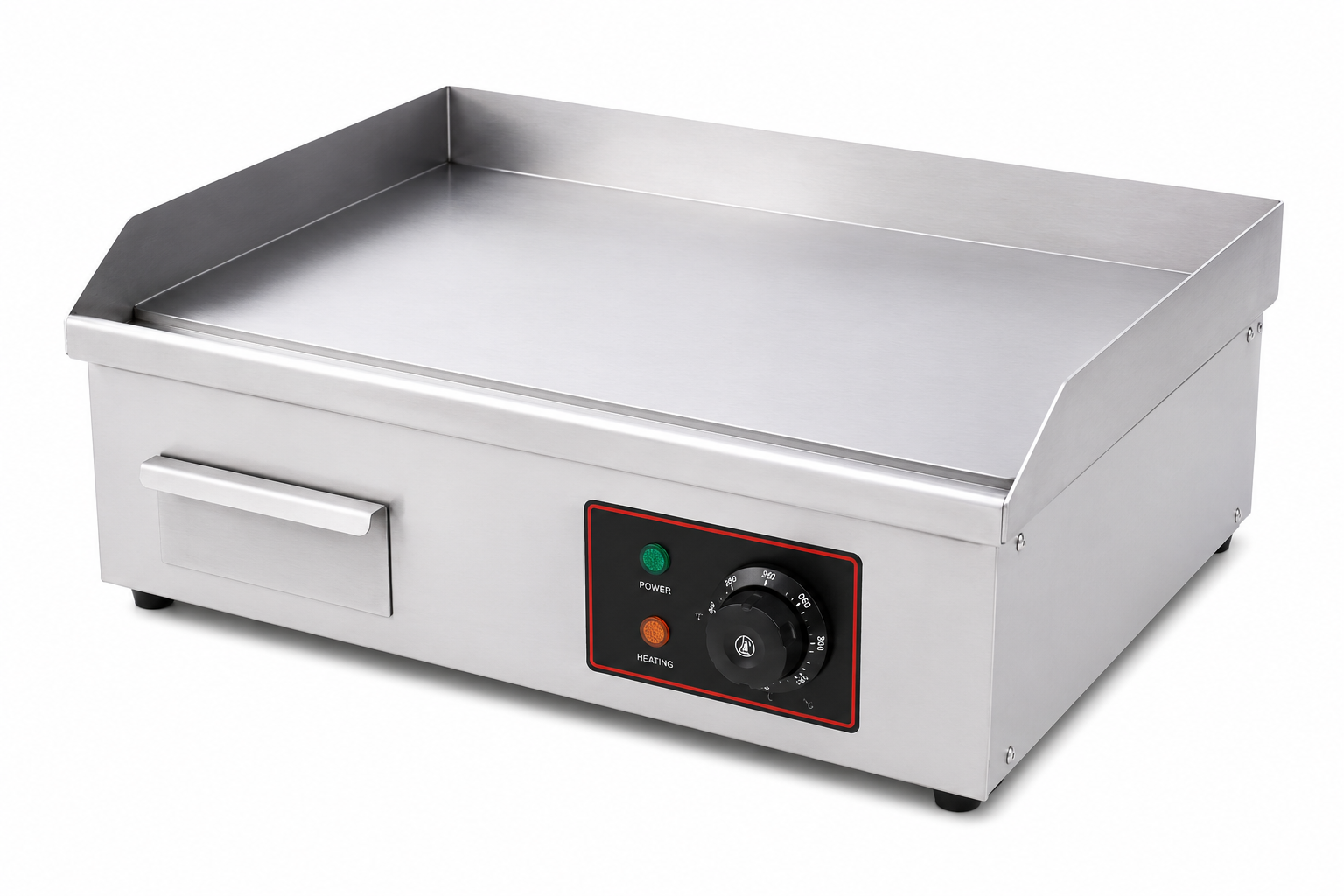
A griddle usually comes in a low rectangular form. It is excellent for cooking pancakes, breakfast items, sandwiches, and other flat-surface cooking needs.
Sauté Pan
A sauté pan is used for slow frying, sautéing, stirring, and tossing. It may resemble a frying pan, but it is usually deeper and has straighter sides instead of rounded edges.
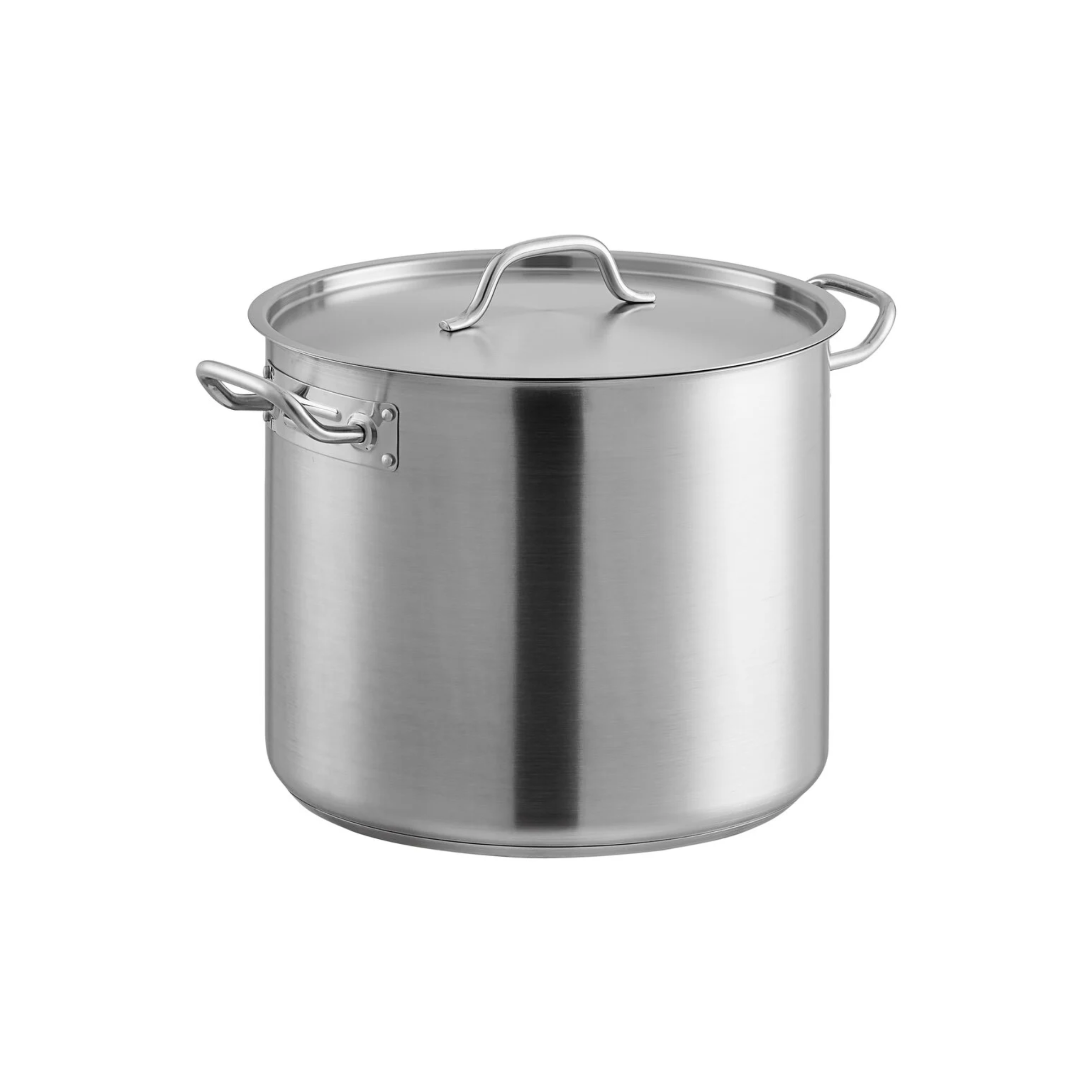
Stock pots and multi pots are deep cookware pieces used for boiling, simmering, and preparing large batches of soup, stock, pasta, and other liquid-based dishes.
A braiser pan is best used for braised dishes, stews, and one-pot meals. It often comes with two side handles, making it easier to transfer and serve.
Roaster Pan
A roaster pan is a low rectangular pan designed for oven use. It is ideal for roasting chicken, beef, and other dishes prepared for special meals or large servings.
Grill Pan
A grill pan is useful for simple grilling, such as salmon, pork belly, or vegetables. Its ridged surface helps create grill marks while cooking indoors.
Starting a home-based food business can be a fun and rewarding experience. It can also be a great way to earn extra income while spending more time with your family. However, it can also feel stressful and overwhelming without proper planning.
The best way to start is to have a clear plan in place before you begin. To help you get started, here are some important things to consider when starting your own home-based food business.
The food service industry requires proper food handling and food safety. These are important in protecting your customers’ health and building trust in your business.
Make Sure You Have a Plan in Place
A good business plan will help you determine how much money you need to start, what equipment or supplies you need, and what kind of marketing strategy will work best for your situation. Having this information early can help you avoid costly mistakes.
Know and Research Your Market
It is important to understand your audience and know who will buy your product. What do people in your area like to eat? Are there popular food trends you can explore? What kind of meals or products are people already buying from home-based sellers?
Get Organized
Create a plan for how your business will run. List the tasks needed, who will handle them, and the steps required for each process. This can be as simple as using a spreadsheet or as detailed as creating a website with a menu and ordering options.
You Don’t Have to Be an Expert Cook or Chef
One of the best things about a home-based food business is that it allows you to use your creativity and imagination. To get started, you need a kitchen, basic cooking tools, and a product that people will enjoy.
Before using any kitchen utensils, make sure they are properly washed or sanitized. Clean tools and proper food handling are important parts of running a safe and reliable food business.
Safety First
Always prioritize safety when preparing food. Follow recipe instructions carefully, store ingredients properly, and make sure your preparation area is clean. Every food product has its own handling requirements, so it is important to be mindful of each step.
Make Friends With Other Food Entrepreneurs
Connecting with other food entrepreneurs can help you learn, improve, and find support. You can join online communities, local business groups, and social media groups where food business owners share tips and experiences.
Your Equipment
You will need basic equipment such as refrigerators, ovens, woks, rice cookers, and other kitchen tools. You may also need utensils, plates, cups, knives, cutting boards, bowls, containers, and other supplies depending on the type of food you plan to sell.
That’s it. Good luck with your venture. We hope these tips helped you understand what you need to start your home-based food business.
If you have any questions or need kitchen supplies for your business, feel free to reach out. Don’t forget to check ComCom for your home-based food business needs.
There is no room for error when it comes to food safety. One of the most important things you can do to keep food safe is to handle it properly, especially when running a food business.
So, what should you do to make sure your food is handled properly when many people’s health is at stake? Here are 8 simple tips to help ensure food safety in your kitchen.
The food service industry requires high standards. Proper food handling and food safety are critical in protecting your customers’ health and maintaining trust in your business.
Know the Proper Way to Store Food
Food contamination can be avoided by storing food in airtight containers. Glass jars are ideal, but plastic or metal containers can also be used. Make sure the seal is tight and the lid fits properly, especially when storing large quantities of ingredients or food items.
Avoid Cross-Contamination
Do not use the same cutting board for raw meat and fruits or vegetables. This can cause cross-contamination and spread harmful bacteria. This protocol should be strictly followed by your kitchen staff.
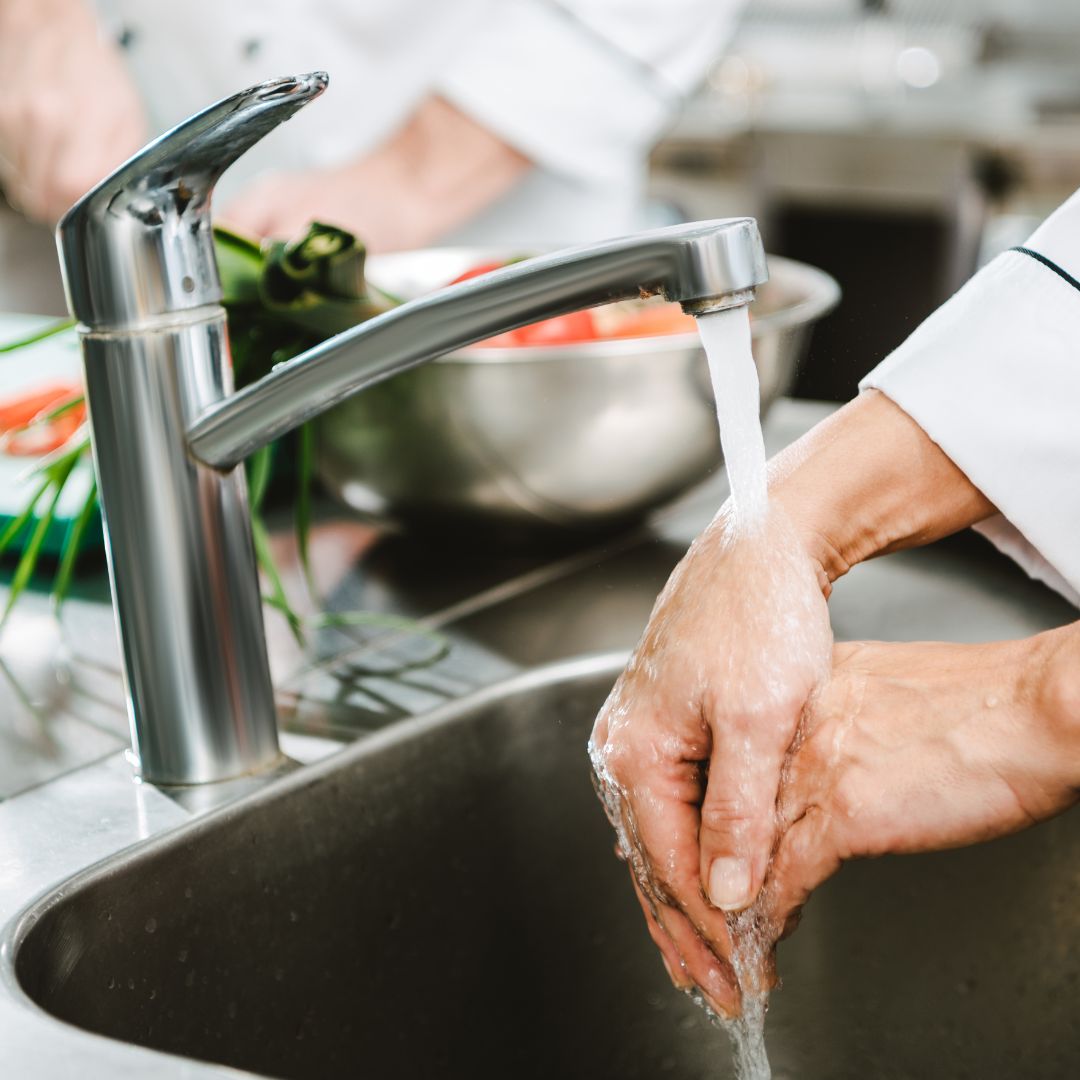
Wash Your Hands Frequently
Regularly wash your hands with soap and water to remove dirt and bacteria. Do this before preparing food, after handling raw meat, and whenever switching between kitchen tasks.
Clean Your Cooking Utensils
Before using any kitchen utensils, make sure they are thoroughly washed with hot soapy water. They may also be disinfected according to the manufacturer’s instructions.
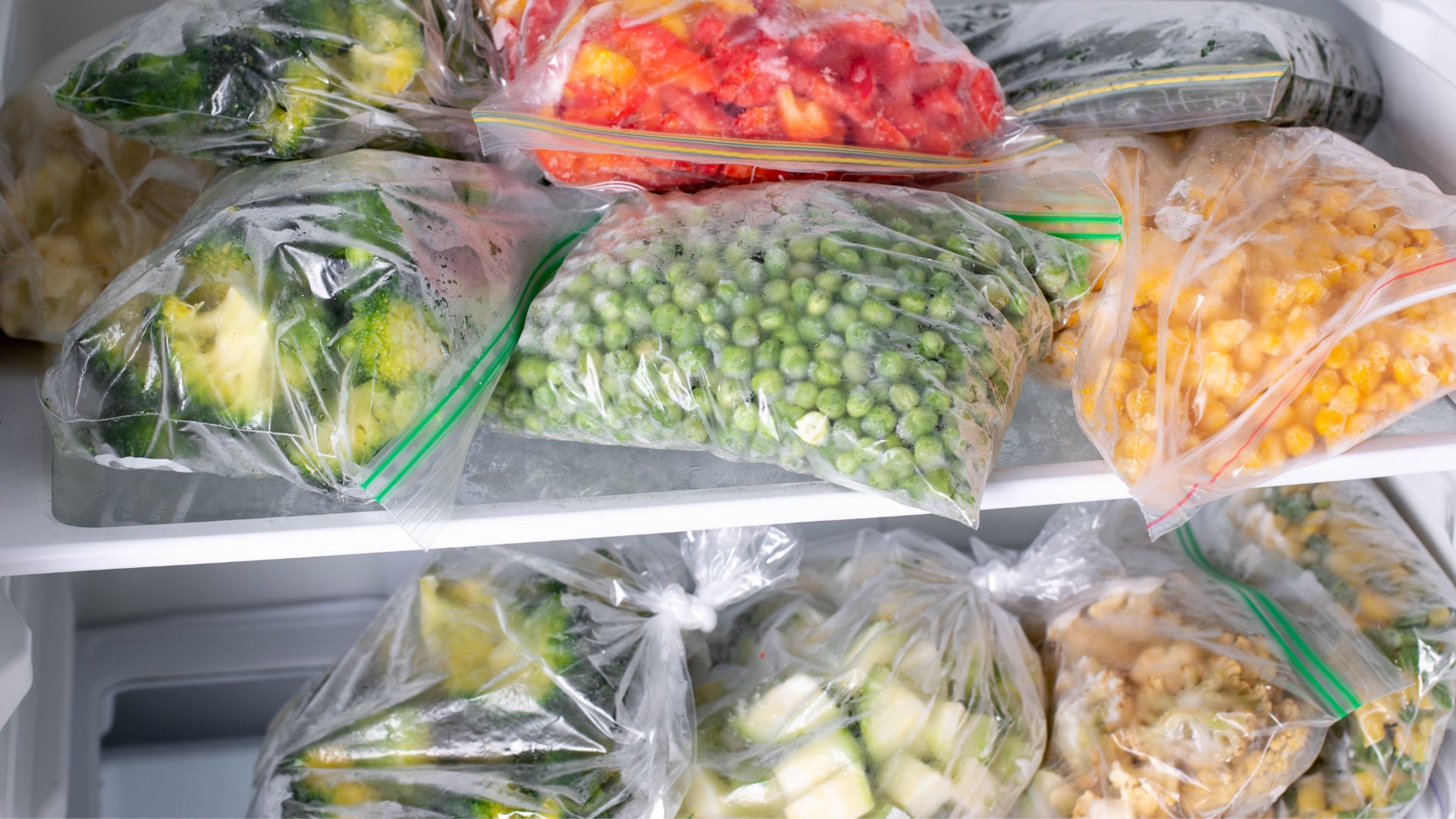
Refrigerate Immediately
Perishable items should be refrigerated or frozen immediately after cooking because they can spoil quickly at room temperature. If refrigeration is not possible, make sure the food is served and consumed as soon as possible.
Wash Fruits and Vegetables Thoroughly
Always wash fruits and vegetables before cooking or serving. This helps prevent bacteria from spreading during preparation and reduces the risk of food contamination.
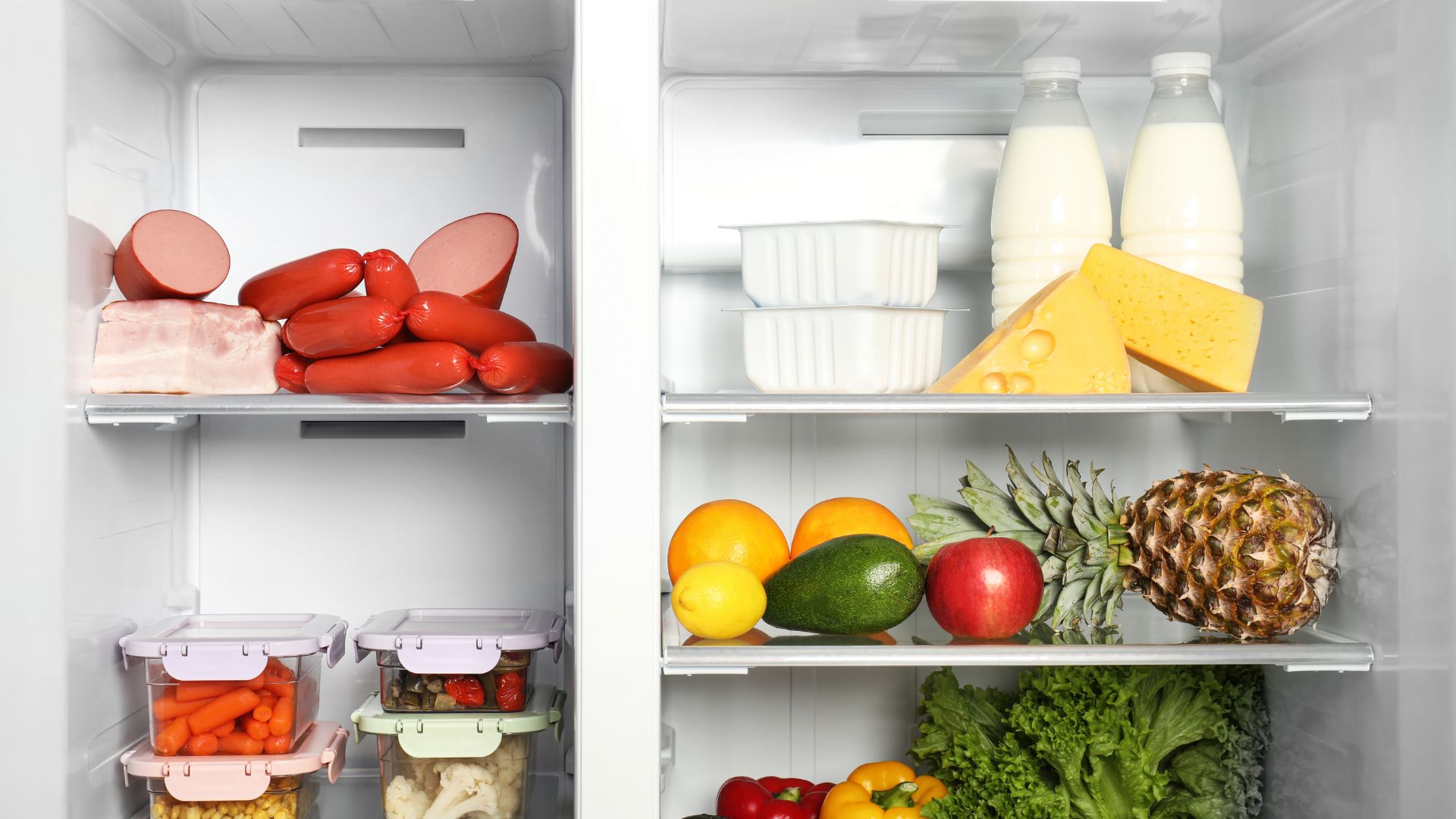
Separate Raw Meat and Cooked Food in the Fridge
Keep raw meat separate from cooked food in the refrigerator. This helps prevent bacteria from raw items from contaminating ready-to-eat or already cooked food.
Clean and Sanitize Restaurant Surfaces Thoroughly
Regularly clean and sanitize surfaces in both the kitchen and dining area. This helps prevent bacteria from spreading to food, tools, and other surfaces.
As someone responsible for food preparation, it is important to keep your kitchen clean, safe, and professional. Following these simple guidelines can help you feel more confident in serving food that is safe for your customers.
Shop for janitorial and cleaning supplies for your restaurant at the Comcom Store. We have a wide selection of equipment available at affordable prices.
We use cookies on our website to give you the most relevant experience by remembering your preferences and repeat visits. By clicking “Accept All”, you consent to the use of ALL the cookies.
This website uses cookies to improve your experience while you navigate through the website. Out of these, the cookies that are categorized as necessary are stored on your browser as they are essential for the working of basic functionalities of the website. We also use third-party cookies that help us analyze and understand how you use this website. These cookies will be stored in your browser only with your consent. You also have the option to opt-out of these cookies. But opting out of some of these cookies may affect your browsing experience.
Necessary cookies are absolutely essential for the website to function properly. This category only includes cookies that ensures basic functionalities and security features of the website. These cookies do not store any personal information.
Any cookies that may not be particularly necessary for the website to function and is used specifically to collect user personal data via analytics, ads, other embedded contents are termed as non-necessary cookies. It is mandatory to procure user consent prior to running these cookies on your website.